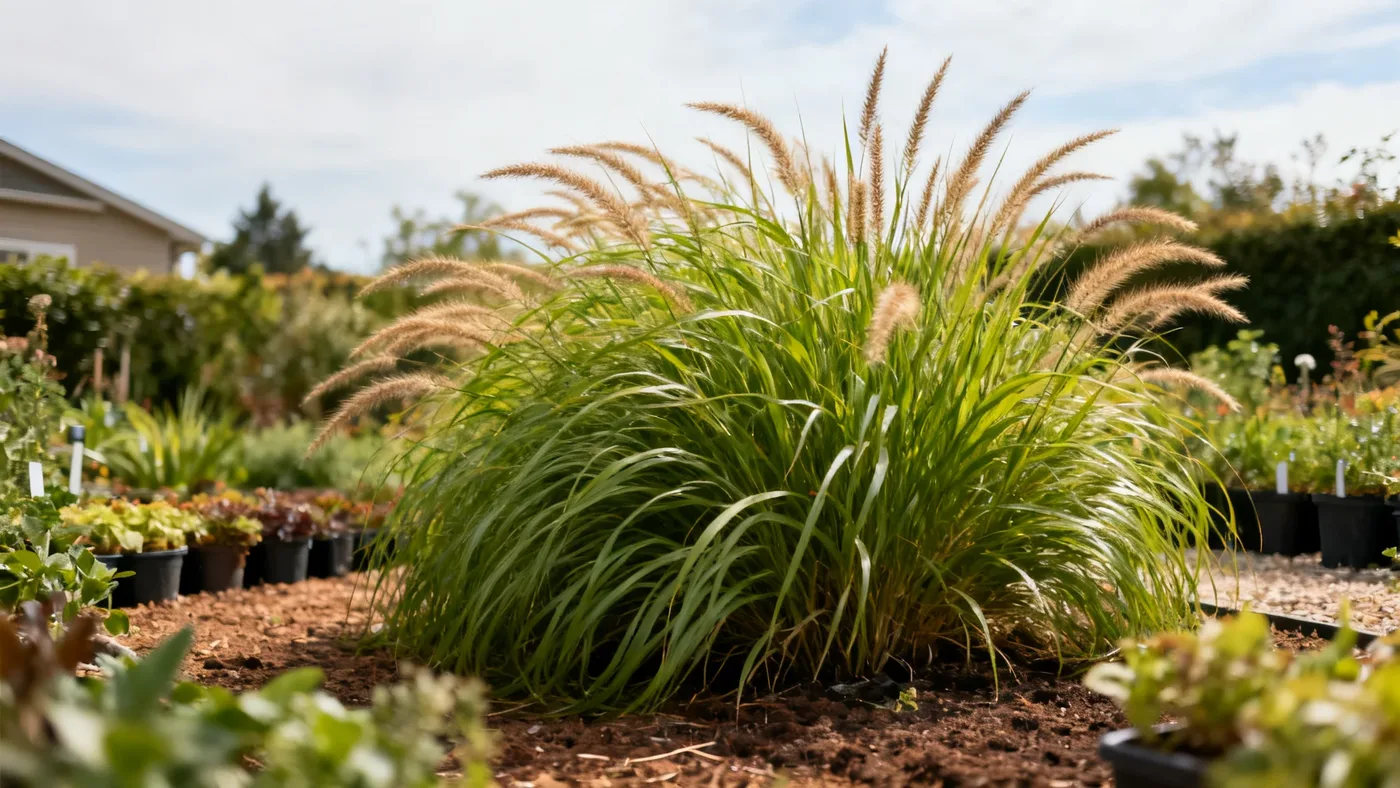
Do You Need to Fertilize Hameln Fountain Grass?
Hameln Fountain Grass is a light feeder, which means it doesn't demand heavy fertilization the way some ornamental plants do. Many gardeners worry they're not doing enough, but over-feeding this dwarf fountain grass can actually work against you. Understanding when and how to fertilize will give you a compact, healthy clump that reaches its mature 18 to 24 inches of foliage height without flopping or sprawling.
Does Hameln Fountain Grass Really Need Fertilizer?
The short answer: not always. If your soil has average fertility and decent structure, Hameln Fountain Grass will grow and bloom reliably without any supplemental feeding. The plant thrives in adaptable, well-drained soils, including clay and sandy soils, and it's quite at home in lean conditions once established.
That said, a single light application in spring can give young plants a boost as they emerge from dormancy, and it supports vigorous growth during their first growing season. Once a clump reaches mature size (typically 2 to 3 growing seasons after planting), you may skip fertilizing altogether if the plant looks healthy and vigorous.
When fertilizing hameln fountain grass nutrient needs, timing and restraint matter more than quantity. Applying too much fertilizer, even a balanced product, encourages excessive soft growth that causes the clump to flop or split open in the middle. You want a tight, upright mound, not a sprawling mass.
What Type of Fertilizer Works Best
A balanced fertilizer is ideal for fountain grass fertilizer schedules. Look for a product with equal or nearly equal numbers in the N-P-K ratio, such as 10-10-10 or 5-5-5. Balanced formulas support overall plant health without pushing nitrogen that would create floppy foliage.
You have three main options:
- Granular balanced fertilizer. Apply in spring and water in thoroughly. Easy to measure and long-lasting.
- Liquid balanced fertilizer. Dilute according to label directions and apply in spring. Quick absorption, though you may need to reapply mid-season if you choose to.
- Slow-release fertilizer. A granular product that breaks down over weeks to months. Reduces the risk of over-feeding because nutrients release gradually.
Avoid high-nitrogen products, which promote leafy growth at the expense of structure and bloom. Your goal is modest, balanced nutrition, not lush vegetative growth.
Materials and Tools You'll Need
- Balanced fertilizer (granular or liquid), at least 10-10-10 or lower
- Garden spade or shovel
- Measuring cup or kitchen scale (if using granular fertilizer)
- Watering can or garden hose
- Garden gloves
- A soil moisture meter or your finger (to check soil dampness)
If you're applying liquid fertilizer, also gather a bucket for mixing and a watering wand or sprayer attachment for even application.
How to Fertilize Hameln Fountain Grass
Timing is critical. Apply fertilizer in spring, as soon as new growth emerges and soil has warmed. In USDA zones 5 to 9, this typically falls in mid to late April through early May, though your local conditions may shift this window.
Granular Application (Step-by-Step)
- Check soil moisture before you start. Water the planting area lightly 1 to 2 days before fertilizing if the soil feels dry. Dry soil can lock up nutrients and prevent proper absorption. Damp soil allows the fertilizer to dissolve and move into the root zone efficiently.
- Measure the amount carefully. For an established Hameln Fountain Grass clump 18 to 24 inches wide, apply no more than 1 to 2 tablespoons of granular fertilizer. A light hand is essential. If the plant is newly installed from a quart-size container, use about 1 tablespoon. Read the package label for its recommended rate per square foot and scale down accordingly.
- Spread the fertilizer around the base. Sprinkle the granules in a ring around the clump, staying 2 to 3 inches away from the center so you're not burning the crown. Cover an area roughly the width of the mature clump.
- Water thoroughly after application. Use a watering can or hose to water in the fertilizer immediately. You want moisture to carry the nutrients into the soil and activate them. Water until the top inch of soil feels moist, but don't create standing water.
- Space out any follow-up applications. If you choose to fertilize again later in the season, wait at least 6 to 8 weeks. Most ornamental grasses perform best with light, infrequent feeding rather than frequent doses.
Liquid Application (Step-by-Step)
- Mix the liquid fertilizer according to label instructions. Different products have different concentrations. Read carefully and measure the concentrate and water accurately to avoid over-concentration.
- Apply to moist soil. Water the base of the plant lightly first, so the soil is damp but not soggy. Applying liquid fertilizer to dry soil can cause uneven distribution and possible burn.
- Pour or spray the solution around the clump. Apply about 1 quart of diluted solution per established clump. Stay a few inches back from the crown. Liquid fertilizers work quickly, so the plant will begin absorbing nutrients within hours.
- No additional watering needed immediately after. The liquid has already dissolved the nutrients. You can water normally the next day if the soil dries out.
Tips and Common Mistakes to Avoid
Don't fertilize in fall. A spring application prepares the plant for growth. Fall fertilizing stimulates tender new growth that won't harden off before winter dormancy sets in, increasing winter dieback risk.
Don't assume "more is better." Heavy feeding is the leading cause of flopping clumps. The plant produces excessive foliage that the stems can't support upright, especially if positioned in partial shade. Restraint pays off.
Don't fertilize water-stressed plants. If your region has had a dry spring, water deeply first, then wait a week before applying fertilizer. A water-stressed plant can't use nutrients efficiently and may experience root burn.
Skip fertilizer if the plant looks vigorous. Established plants growing in decent soil with green, upright foliage don't need feeding every year. Assess the plant visually. If new shoots are emerging normally and the clump isn't yellowing, skip that season's application.
Watch soil pH. Hameln Fountain Grass is adaptable to roughly 6.0 to 7.5 pH, slightly acidic to neutral. Most balanced fertilizers work across this range, but if you have extreme pH conditions in your soil, a soil test from your local extension office can guide a more targeted product choice.
When to Fertilize Ornamental Grass: Timing by Region
The best fertilizer for fountain grass and when to fertilize ornamental grass depends partly on where you garden. In cooler zones (5-6), wait until mid to late April when soil temps reach 50°F or higher. In moderate zones (7-8), late March through April is ideal. In zone 9, February through March often works, though avoid applying during unexpected late frosts.
For best results, choose a mild, cloudy day if possible. Direct sun immediately after application won't harm the plant, but overcast conditions reduce the chance of fertilizer granules rolling or blowing away before rain or irrigation activates them.
What to Expect After Fertilizing
Within 1 to 2 weeks, you should notice slightly more vigorous emergence of new shoots from the clump base. By midsummer, when Hameln Fountain Grass blooms with its creamy white to tan, bottlebrush-like plumes (roughly July through October, depending on your region), you may see a modest increase in plume production compared to an unfertilized plant.
Foliage should remain a medium green, forming a dense mound 18 to 24 inches tall. If you see the plant becoming taller or looser in structure over the following weeks, you likely over-fertilized. Reduce or skip fertilizer the following spring.
Ornamental grasses typically show results more subtly than flowering plants. You're not expecting dramatic growth spurts. Instead, look for a healthy-looking clump that holds its upright, compact form and produces blooms reliably when it's time.
Fertilizing in the Context of Overall Care
For detailed guidance on all aspects of growing Hameln Fountain Grass, including when to cut it back, how to manage established clumps, and which companion plants work well beside it, see our complete growing guide for Hameln Fountain Grass. Fertilizing is just one piece of a simple care routine that keeps this durable ornamental thriving.
Quick Reference: Fertilizing Checklist
| Step | Details |
|---|---|
| Timing | Spring only, after new growth emerges (mid to late April in most zones) |
| Fertilizer type | Balanced formula (10-10-10 or lower) granular or liquid |
| Amount per plant | 1 to 2 tablespoons granular, or 1 quart diluted liquid per established clump |
| Application method | Scatter around base 2 to 3 inches from crown, then water in thoroughly |
| Soil condition | Apply to damp (not soggy) soil for best nutrient uptake |
| Frequency | Once yearly in spring, or skip if plant is vigorous; established plants may need no fertilizer |
| What to avoid | Don't use high-nitrogen products; don't fertilize in fall; don't over-feed |
| Expected result | Slightly more vigorous spring emergence; compact, upright form maintained through the growing season |