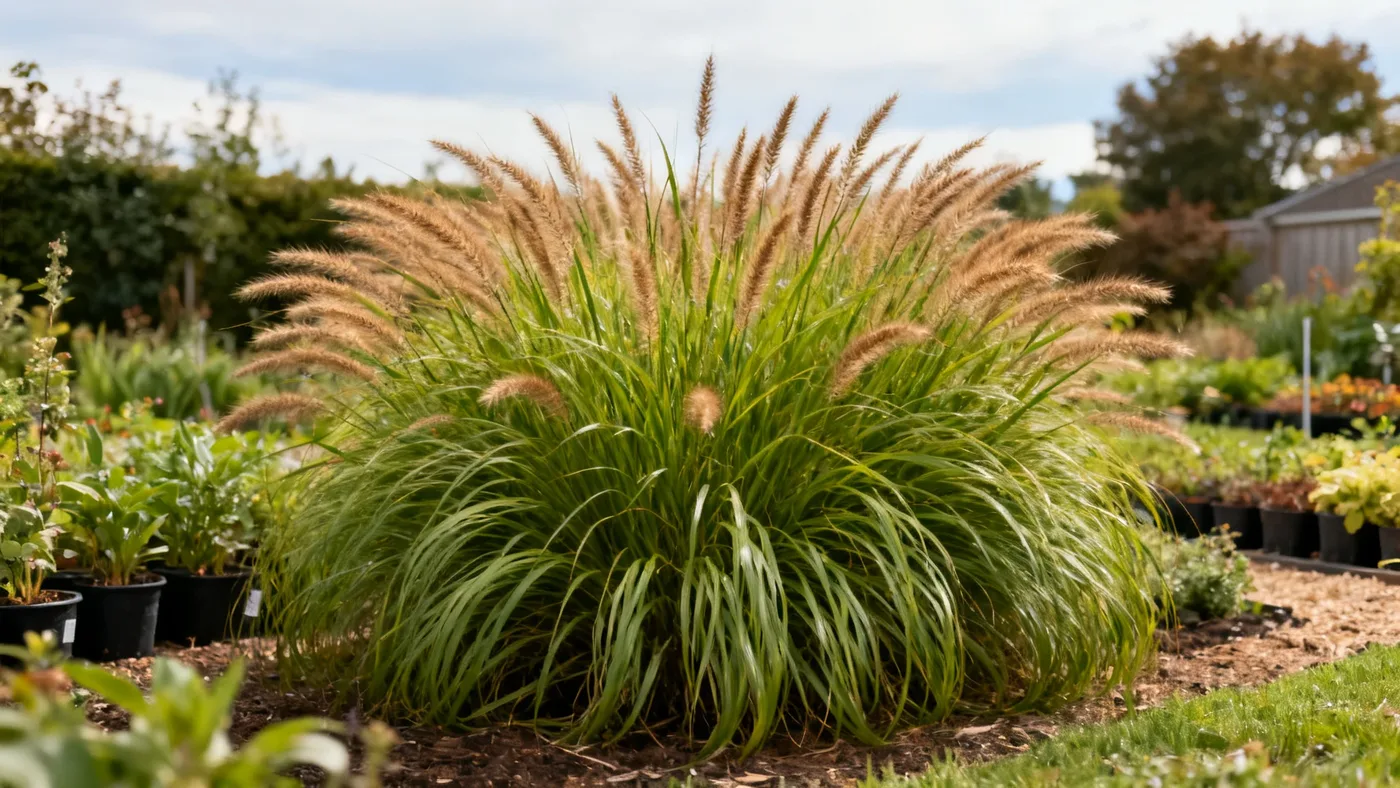
Hameln Fountain Grass Care: The Complete Growing Guide
Table of Contents
- What Is Hameln Fountain Grass?
- Planting Your Hameln Fountain Grass
- Watering and Soil Care
- Seasonal Care and Maintenance
- Troubleshooting Common Problems
- Landscaping and Design Ideas
- Quick Reference Guide
Key Takeaways
- Hameln fountain grass thrives in USDA zones 5 through 9 with full sun exposure.
- Plant in spring after the last frost or in early fall in mild climates, spacing clumps 18 to 24 inches apart.
- Water regularly until established, then enjoy moderate drought tolerance once the root system develops.
- Cut back to 3 to 4 inches above ground in late winter or early spring; never prune in fall.
- Highly deer and rabbit resistant, making it ideal for low-maintenance and wildlife-resistant landscapes.
What Is Hameln Fountain Grass?
Hameln fountain grass (Pennisetum alopecuroides 'Hameln') is a compact ornamental grass that brings fine texture and graceful movement to any garden. This dwarf cultivar was selected in Germany specifically for its smaller stature compared to the species, making it ideal for borders, containers, and smaller residential landscapes where full-size fountain grass would overwhelm the space.
The plant forms a dense, mounding clump of fine-textured, arching medium green blades. Foliage typically reaches 18 to 24 inches tall, while the distinctive creamy white to tan bottlebrush-like plumes extend the visual height to 24 to 30 inches when in bloom. In autumn, the entire plant transforms to golden tan or russet copper tones, providing months of ornamental interest before winter sets in.
As a warm-season herbaceous perennial, Hameln fountain grass awakens in late spring and grows vigorously through the season. It reaches full mature clump size in about 2 to 3 growing seasons, making it a relatively quick-maturing choice for new plantings. Once established, the plant is typically vigorous for 4 to 6 years or more before benefiting from division.
This grass is not known to be toxic to pets or people, making it safe for gardens with children and animals. Its high resistance to deer and rabbit browsing adds another layer of appeal for properties where wildlife pressure is a concern.
Planting Your Hameln Fountain Grass
Choosing the Right Location
Hameln fountain grass performs best in full sun, where it develops the most compact, attractive habit and produces the most abundant blooms. Light shade is acceptable and may even be beneficial in very hot climates, though bloom production and foliage density decline noticeably in shadier spots. Avoid heavy shade, which often leads to flopping, weak growth, and reduced flowering.
The plant adapts well to most well-drained soils, including clay and sandy soils. This adaptability makes it forgiving and valuable for challenging locations. Soil pH can range from roughly 6.0 to 7.5, making it slightly acidic to neutral, so most home gardens fall within the ideal range. What matters most is drainage. Soggy or waterlogged soil causes crown rot and root problems; good drainage is non-negotiable for success.
Planting Time and Container Sizes
Plant Hameln fountain grass in spring after your last frost, or in early fall if you live in a mild climate. Nursery-grown plants are usually sold in quart, #1, or #3 containers. Plants from quart-size containers establish quickly and often bloom the same year they are planted, while larger containers provide more immediate impact but cost more.
Space plants 18 to 24 inches apart, depending on your design goals. Closer spacing (18 inches) creates a denser visual effect more quickly and fills in faster, while wider spacing (24 inches) reduces competition, allows better air circulation, and is more economical if budget is a primary concern.
Step-by-Step Planting Instructions
- Dig a hole roughly the same depth and width as the root ball. The hole should be wide enough that you can slide your hand around the sides comfortably.
- Remove the plant from its container and gently loosen the root ball with your fingers, especially if roots are densely circled.
- Place the plant in the hole at the same soil level it was growing in the container. Do not plant deeper than the original soil line, as this invites crown rot.
- Backfill with the native soil. Amending with compost is optional but helpful in poor or compacted soils. Use no more than 25 percent by volume amendment.
- Water thoroughly after planting to settle the soil, eliminate air pockets, and establish good root contact with surrounding soil.
- Apply 1 to 2 inches of mulch around the base, keeping it several inches away from the crown of the plant to prevent rot.
Watering and Soil Care
Watering the First Growing Season
During the first growing season, water Hameln fountain grass regularly to establish a robust root system. Aim for consistently moist (not waterlogged) soil during the first 4 to 6 weeks after planting. In hot, dry weather, you may water twice weekly. In cooler or rainy periods, reduce frequency to once weekly or even less. The goal is to keep the soil moist to the depth of the root ball without allowing it to become soggy.
Check soil moisture by inserting your finger 2 to 3 inches into the ground near the plant. If soil feels dry at that depth, water. If it still feels moist, wait another day or two before checking again.
Established Plant Watering
After the root system establishes, typically by midsummer, you can reduce watering frequency. Hameln fountain grass develops moderate drought tolerance once mature, though it still performs best with average moisture during the growing season. In most climates, natural rainfall provides sufficient moisture for established plants.
Water during extended dry spells (more than 2 to 3 weeks without rain) or when you notice the foliage starting to look dull or slightly stressed. Even drought-tolerant plants appreciate supplemental watering during severe dry periods, as this keeps the clump fuller and supports better bloom production.
Container-grown plants need more frequent watering because soil dries faster in pots. In containers, water when the top inch of soil feels dry to the touch, typically every 2 to 3 days during the growing season, and more often in extreme heat.
Soil Feeding and Fertilization
Hameln fountain grass is a light feeder. A single application of balanced fertilizer (such as 10-10-10 or 5-10-5) in early spring is sufficient for the entire growing season. Apply the fertilizer once new growth begins, then leave the plant alone. Use light application rates, as recommended on the fertilizer label. Avoid over-fertilizing, which encourages floppy, weak growth and reduces the compact habit that makes this cultivar special.
If your soil is already rich from prior compost additions or amendments, skip the fertilizer entirely. The plant grows well without it and may actually perform better in leaner soil. Heavy feeding promotes soft foliage susceptible to flopping and disease.
Seasonal Care and Maintenance
Spring Pruning: The Most Important Task
Timing is critical for pruning Hameln fountain grass. Cut back the entire plant to 3 to 4 inches above ground in late winter or early spring, before new growth emerges. In USDA zones 5 and 6, this is typically late March or April. In zones 7 through 9, it may be February or early March. Do not wait until late spring, when new shoots are already emerging; cutting at that point damages emerging foliage and weakens the plant for the season ahead.
Use hedge shears, pruners, or a string trimmer to remove the dead foliage. Wear gloves and long sleeves to protect yourself from the fine leaf edges, which can be scratchy and cause minor cuts. Bundle and remove the cut material, or chip it if you have a chipper available. Many gardeners save the cuttings as mulch material for other beds.
Summer Growing Season Care
Through late spring and summer, Hameln fountain grass requires minimal care. Monitor soil moisture during dry spells, especially on young plants in their first year. Deadheading the spent plumes in late summer is optional; many gardeners leave them for fall and winter interest, and the mature seed heads attract birds looking for nutrition in autumn and winter.
Watch for any signs of pests or disease. The plant is generally pest-free, though occasional mealybugs or scale insects may appear on stressed plants, particularly those in poor light or overly wet conditions. Fungal leaf spot can occur in overly wet or humid climates; ensure good air circulation and avoid overhead watering if possible. Instead, water at the soil level with drip irrigation or soaker hoses.
Fall Transformation and Winter Interest
As temperatures cool in fall, the foliage transitions to shades of golden tan or russet copper, creating a warm, neutral aesthetic. Bloom plumes age to buff or tan, becoming increasingly attractive as they age. Leave the dried foliage and seed heads standing through winter. They provide texture and movement in wind, shelter for overwintering beneficial insects, and food for birds. The plant also looks striking when covered by frost or light snow, making it a four-season ornamental.
Critical: Never Prune in Fall
Never cut back Hameln fountain grass in fall or early winter. Late-season pruning removes the plant's natural insulation, exposes tender new growth to winter cold, and often results in severe dieback or winter kill, particularly in colder zones. Patience and restraint until spring is essential. The standing dried foliage actually protects the crown during winter cold and helps ensure healthy regrowth in spring.
Troubleshooting Common Problems
Flopping or Splitting Clumps
If your Hameln fountain grass flops over or splits apart in the center, the cause is usually too much shade or overly rich, nitrogen-heavy soil. Full sun and lean soil keep the plant compact and upright. If flopping occurs, prune harder in spring (cut to 2 inches instead of 3 to 4 inches) to encourage a more compact growth habit. Also consider moving the plant to a sunnier location if shade is limiting performance. Avoid high-nitrogen fertilizers or excessive compost amendments that make soil too rich.
Center Die-Out and Clump Rejuvenation
After 4 to 6 years of vigorous growth, the center of the clump sometimes dies out while the outer ring remains healthy and vigorous. This is a natural part of the plant's life cycle and is nothing to worry about. Rejuvenate the clump by dividing it in early spring. Dig the entire plant, split the clump into 2, 3, or 4 smaller sections (each with several healthy shoots), and replant the divisions at the same depth as they were growing. Space the new sections 18 to 24 inches apart. Discard the dead center portion.
Poor Bloom Production
Hameln fountain grass that produces few blooms is likely getting insufficient light. Move the plant to a sunnier location, or thin nearby competing plants to increase light availability. In full sun, blooming occurs reliably from mid-July through October, with exact timing depending on your USDA zone. Expect plumes to appear around mid-summer and persist until frost.
Pests and Diseases
Hameln fountain grass is generally pest-free and disease-free, one of its great strengths. Mealybugs or scale insects occasionally appear on stressed plants; the best solution is to improve growing conditions (more sun, better drainage, appropriate watering). Fungal leaf spot appears in excessively wet conditions; improve drainage and air circulation to prevent it. The plant is not known to be toxic to people or pets, so there are no safety concerns in gardens with children or animals.
Self-Seeding and Invasiveness Concerns
While the species Pennisetum alopecuroides can self-seed aggressively in some regions, 'Hameln' produces far fewer seeds and rarely volunteers from seed. Invasiveness varies considerably by region. In some parts of the northeastern and midwestern US, the species is considered invasive or a species of concern. If you garden near natural areas or in a region with regulated status, deadhead spent plumes to prevent any seeding, or check your local cooperative extension office for guidance specific to your area.
Landscaping and Design Ideas
Mass Plantings and Drifts
Plant Hameln fountain grass in groups of 3, 5, or 7 for maximum visual impact. Drifts with 18-inch spacing create a lush, full effect within 2 to 3 growing seasons. Use this approach in mixed borders, foundation plantings, or as living edging along pathways. Mass plantings provide strong visual presence and are more effective than individual specimens.
Mixed Perennial Beds and Companions
Hameln fountain grass combines beautifully with summer-blooming perennials that share its sun and drainage needs. Excellent companions include black-eyed Susan (Rudbeckia), coneflower (Echinacea), sedum, Russian sage (Perovskia), and aster. These plants provide complementary flower colors and extend seasonal interest, while the grass adds fine-textured foliage contrast. The warm fall tones of Hameln harmonize well with the burgundy and copper tones of Echinacea foliage and sedums.
Container Planting and Patio Use
Hameln fountain grass thrives in containers, making it ideal for patios, decks, rooftops, or small gardens where in-ground planting is not possible. Use a large container (at least #5 or #10 size, roughly 15 to 20 inches deep) with drainage holes and quality potting soil. Water container plants more frequently than in-ground plants because soil dries faster in pots. The compact mature size (18 to 24 inches tall and wide) fits easily on most decks or in corner plantings. Container plants also require a bit more fertilizer since frequent watering leaches nutrients; feed every 4 to 6 weeks in summer.
Erosion Control on Slopes
The fibrous root system of Hameln fountain grass stabilizes slopes and reduces erosion. Plant on 18-inch spacing up and down slopes for effective coverage in 2 to 3 seasons. The mounding habit traps soil and slows water runoff.
Deer and Rabbit Resistant Gardens
Hameln fountain grass is highly deer and rabbit resistant, making it a smart choice for landscapes where wildlife browse is a constant concern. It provides color, texture, and movement even when other plants are heavily damaged by deer. Combine it with other deer-resistant plants like Russian sage, Echinacea, and sedum to create entire garden beds that wildlife will largely bypass in favor of more palatable plants.
Xeriscape and Low-Maintenance Design
Once established, Hameln fountain grass requires minimal water, fertilizer, or maintenance, making it ideal for xeriscape and drought-tolerant garden designs. Its moderate drought tolerance and minimal nutrient needs fit perfectly into water-wise landscaping schemes.
Quick Reference Guide
| Task | Timing | Details |
|---|---|---|
| Plant | Spring after last frost; early fall in mild climates | Space 18 to 24 inches apart. Full sun location. Well-drained soil required. |
| Water (New Plants) | First 4 to 6 weeks | Keep soil consistently moist. Water twice weekly in hot weather. |
| Water (Established) | Throughout growing season | Natural rainfall usually sufficient. Water during droughts lasting 2 to 3 weeks. |
| Fertilize | Early spring, once per year | Apply balanced fertilizer lightly. Skip if soil is rich. Avoid over-feeding. |
| Prune Back | Late winter to early spring before new growth | Cut to 3 to 4 inches above ground. Never prune in fall. |
| Bloom Period | Mid-July through October (varies by zone) | Creamy white to tan plumes. Full sun produces best blooms. |
| Fall Color | Autumn through winter | Foliage turns golden tan or russet. Leave standing for winter interest. |
| Division (if needed) | Early spring | Divide clumps after 4 to 6 years if center dies out. Plant at same depth. |
| Mature Size Reached | 2 to 3 growing seasons | 18 to 24 inches tall (foliage); 24 to 30 inches with plumes. 18 to 24 inches wide. |
| Hardiness | Year-round, Zones 5 to 9 | Highly deer and rabbit resistant. Not toxic to pets or people. |