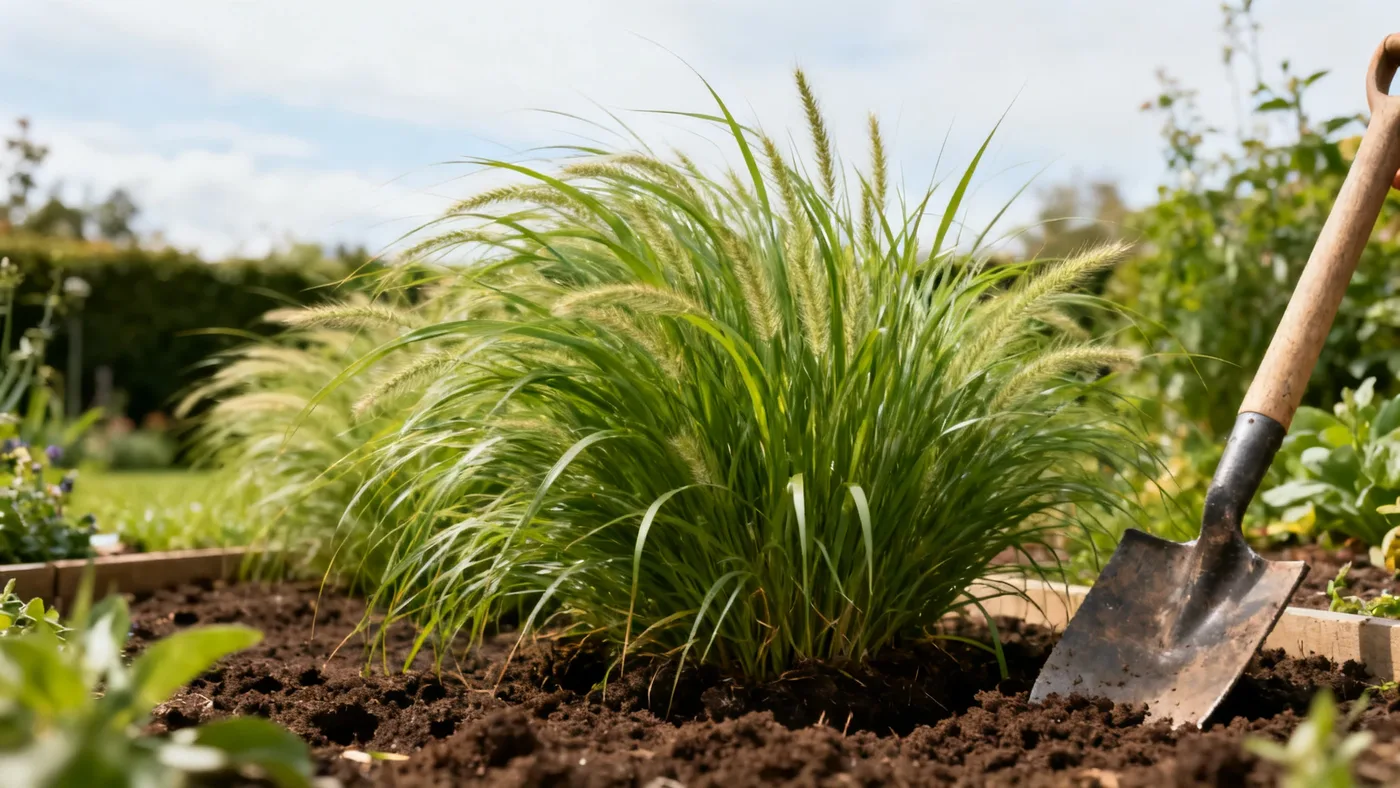
Watering Hameln Fountain Grass: From New Planting to Mature Clump
Getting watering right makes the difference between a thriving clump of Hameln Fountain Grass and one that either rots or dries out. This guide walks you through the specifics of fountain grass watering needs at each stage, from the first weeks in the ground through the established plant that needs far less attention.
What You'll Need
Watering Hameln Fountain Grass doesn't require special equipment. Have these materials on hand:
- Garden hose or watering can
- Soil moisture meter (optional but helpful for beginners)
- Mulch, such as shredded bark or wood chips
- Soaker hose or drip line (optional, for container or slope plantings)
- Calendar or phone reminder for tracking watering frequency
Understanding Hameln Fountain Grass Watering Needs
Hameln Fountain Grass has good drought tolerance once established, but it starts out thirsty. The plant reaches its mature clump size in about 2 to 3 growing seasons. During that time, how you water shapes how quickly it fills out and how healthy it becomes.
The key principle is simple: regular moisture while the roots are establishing themselves, then a shift to less frequent watering as the plant matures. Understanding this progression prevents both the rot that kills young plants in wet soils and the stress that stunts growth in dry ones.
Watering New Plantings (First Growing Season)
A newly planted Hameln Fountain Grass needs consistent moisture to encourage root development. This doesn't mean soggy soil, and it certainly doesn't mean daily overhead watering that leaves foliage wet at nightfall.
Step 1: Water immediately after planting
Once you've planted your Hameln Fountain Grass (typically in spring after your last frost), water it thoroughly. The goal is to settle soil around the root ball and eliminate air pockets. A thorough soaking means water should penetrate 4 to 6 inches deep. This single, deep watering matters more than the frequency of light sprinkles.
Step 2: Establish a regular watering schedule for the first 6 to 8 weeks
For the first month and a half after planting, aim to water deeply 2 to 3 times per week, depending on rainfall and temperature. In hot, dry weather, every other day may be necessary. After heavy rain, skip your scheduled watering to avoid waterlogging the soil. Check soil moisture by inserting your finger 2 inches into the ground. If it feels dry at that depth, water. If it's still moist, wait another day or two.
Step 3: Reduce frequency as the plant acclimates
By week 8 or 9, begin spacing out waterings to once or twice weekly. The Hameln Fountain Grass roots are now reaching deeper into the soil, so the plant is less dependent on frequent moisture at the surface. Deeper, less frequent watering actually encourages roots to grow downward, making the plant more drought-tolerant in the long run.
Step 4: Apply mulch to regulate soil moisture
Spread 2 to 3 inches of mulch around the plant, leaving 1 to 2 inches of bare soil near the crown. Mulch reduces evaporation and keeps the soil temperature more stable, which helps the root system establish. Refresh the mulch annually in spring as it breaks down.
Watering Established Plants (Year 2 and Beyond)
Once Hameln Fountain Grass is past its first year, the watering picture changes dramatically. The plant now has a deep root system and can tolerate extended dry periods between waterings.
Step 1: Water deeply but infrequently
Established plants need watering only during drought. In most regions, natural rainfall handles this. A general guideline is to water when the top 3 to 4 inches of soil are dry and no rain is forecast. In the hottest part of summer, this might mean watering every 7 to 10 days. In milder seasons or climates with regular rainfall, you may not need to water at all.
Step 2: Adjust for your climate
Hameln Fountain Grass grows well in USDA zones 5 to 9, and water needs vary across this range. Zone 5 and 6 gardeners in cooler climates typically rely almost entirely on rainfall. Zones 8 and 9, especially in hot inland areas, require more supplemental watering during summer. The simple rule is to observe your plant. If new shoots emerge at the crown and the foliage looks turgid and bright green, watering is sufficient. If growth slows or tips begin to brown, increase frequency.
Step 3: Avoid overwatering in containers
Hameln Fountain Grass works well in large containers with good drainage, but pots dry out faster than garden soil and also hold water more easily. Check container soil every few days during hot weather. Water when the top 1 inch feels dry, but never let the pot sit in standing water.
Recognizing Overwatering and Underwatering Problems
Knowing what to look for helps you adjust before a minor problem becomes serious. Overwatering ornamental grass symptoms are often easier to spot than underwatering ones.
Signs of overwatering
Overwatering is the most common watering mistake with ornamental grasses. Hameln Fountain Grass in consistently wet soil may show:
- Yellowing or pale foliage, starting at the base of the clump
- Wilting or drooping appearance even when soil is moist
- Mushy or rotted stems at the soil line
- A sour or unpleasant smell from the soil, indicating root rot
- Fungal leaf spots, especially in humid conditions combined with wet foliage
- Clumps that split or flop outward, lacking the tight mound shape
If you notice these symptoms, stop watering immediately and ensure the soil drains freely. In severe cases, moving the plant to a sunnier, better-draining location may be necessary. Avoid amending the planting hole with heavy compost or peat moss, which can trap moisture against the roots.
Signs of underwatering
Underwatering is less common in established Hameln Fountain Grass, but new plantings may suffer if neglected. Look for:
- Slow, stunted growth, especially during the first growing season
- Brown or scorched leaf tips and edges
- Foliage that loses its fine-textured appearance and looks coarse or wilted
- Clumps that remain smaller than expected after 2 to 3 years
If underwatering is the problem, resume a regular schedule and be patient. The plant will typically recover within a few weeks.
Watering Through the Seasons
Water needs shift with the calendar. Adjusting your approach keeps the plant healthy year-round.
Spring
After cutting back last year's dried foliage to 3 to 4 inches in early spring, new growth emerges quickly. Water new plantings regularly. Established plants benefit from watering after cutting back, but natural spring rains usually provide enough. Reduce watering frequency as soil warms and growth accelerates.
Summer
This is the peak growing season, and when how often to water hameln fountain grass matters most. New plantings need consistent moisture. Established plants require supplemental watering during hot, dry spells. Morning watering is ideal, as it dries foliage quickly and reduces fungal disease risk. Never water in the evening, as wet foliage overnight can invite problems, especially in humid regions.
Fall
As nights cool in autumn, reduce watering frequency. Foliage naturally changes color to golden tan and russet tones as the plant prepares for dormancy. At this point, water only during severe drought. Mild, regular rainfall is typically sufficient.
Winter
In most climates, no watering is needed during winter dormancy. In very dry regions or during extended drought, occasional deep watering may help the dormant clump, but this is rarely necessary. The standing dried foliage provides some protection to the crown.
Troubleshooting Common Watering Mistakes
Even experienced gardeners misstep with fountain grass irrigation. Here are frequent errors and how to correct them.
Mistake 1: Frequent, shallow watering. Short, daily sprinkles encourage shallow roots and may keep the soil surface wet, inviting root rot. Instead, water deeply every few days during establishment, then deeply once or twice weekly for mature plants.
Mistake 2: Overhead watering in the evening. Wet foliage at night creates conditions for fungal leaf spot. Use a soaker hose or drip line, or water early morning so foliage dries quickly.
Mistake 3: Ignoring mulch breakdown. Mulch compacts and decomposes over time, reducing its water-retention benefit. Replenish it annually to maintain the 2 to 3 inch depth.
Mistake 4: Planting in heavy clay without amending for drainage. Clay soils hold water far too long. Mix in sand or compost to improve drainage before planting, or choose a site that sheds excess moisture naturally.
Mistake 5: Watering on a timer without checking soil first. Timers are convenient, but they don't account for rainfall or seasonal changes. Always monitor soil moisture and adjust the timer monthly.
Expected Results
With proper watering, you can expect steady growth during year one, reaching a noticeable size by season's end. By year two or three, the clump should approach its full height of 18 to 24 inches (foliage mound) to 24 to 30 inches with bloom plumes. The fine-textured foliage stays bright green through summer and transitions to golden tan in fall. Blooms typically appear by mid to late summer and continue into fall, with plumes aging to a buff or tan color.
Once established, fountain grass drought tolerance means your Hameln Fountain Grass requires minimal watering and is a low-maintenance perennial. Brief dry spells are handled without noticeable decline, making it an excellent choice for water-wise landscapes.
For more on caring for this grass year-round, see our complete Hameln Fountain Grass care guide. And for design inspiration on how to place your Hameln Fountain Grass in the landscape, explore our landscape design ideas.
Quick Reference: Watering Schedule
| Growth Stage | Watering Frequency | Soil Moisture Target | Duration |
|---|---|---|---|
| Newly planted (first 6-8 weeks) | 2-3 times per week | Moist 4-6 inches deep | First 1.5 months |
| First growing season (after week 8) | 1-2 times per week | Moist 6 inches deep; top dry | Rest of year one |
| Established plants (year 2+) | Every 7-10 days in heat; rain-dependent otherwise | Top 3-4 inches dry before watering | Growing season |
| Containers (all seasons) | Every 2-4 days in summer (check daily) | Top 1 inch dry | Growing season |
| Dormancy (winter) | None, except in extreme drought | No special moisture needs | November-February |