Hameln Fountain Grass vs National Arboretum: Size and Hardiness
Zone 5 is the baseline for Hameln. That is the coldest zone where the plant is rated to come back each spring. The question that follows comes up every year: can a zone 4 garden rely on it, or should you reach for National Arboretum, the fountain grass selection with the colder-zone reputation? Guess wrong and you lose a clump to a hard winter.
This article talks about size and hardiness for the two cultivars and answers the questions customers ask us most. Read on to learn how their clumps and plumes really compare, what the sources say about zone 4, what mulch and fall cutting change, and why a plant tag is a starting point and not a measurement.
Larger Plumes Mean a Larger Clump
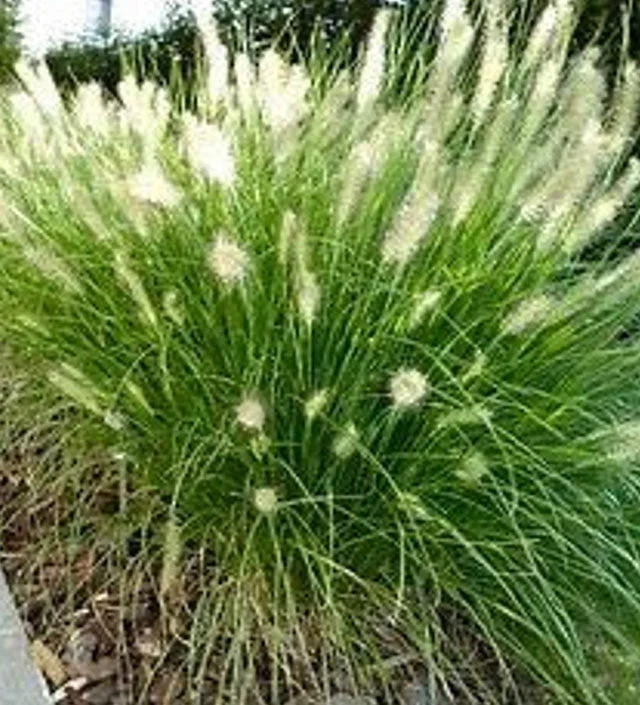
Hameln reaches 2–3 feet tall and 2–3 feet wide. A metric range of 0.5–1 meter, about 1.5–3 feet, is also given, so the figures agree on a clump that tops out near 3 feet. National Arboretum is advertised at 24 inches. In a trial, it measured 30 inches tall by 36 inches wide in year 2.
The belief that thicker plumes mean a bigger plant mixes up two traits. Plume thickness is a flower trait. Clump size is a foliage and crown trait. The National Arboretum plumes are very distinct and thick, but late: the blooms do not appear until fairly late in the season.
Hameln blooms about 2 weeks earlier than other fountain grasses, and it is the more compact version of the species, which grows 2–4 feet tall and wide. This table sets the two side by side.
| Trait | Hameln | National Arboretum |
|---|---|---|
| Height | 2–3 ft | 24 in. advertised, 30 in. at year 2 |
| Width | 2–3 ft | 36 in. at year 2 |
| Plume timing | About 2 weeks earlier than other fountain grasses | Late in the season |
| Plume look | Bristly, purple-tinged spikelets in late summer | Thick and distinct |
In the garden, the two clumps come out roughly equal. Plan the same spacing for both and choose on bloom timing and hardiness, not plume size. One caution: the National Arboretum figures are a year-2 reading from one trial, not a mature measurement. Our look at Hameln against other Pennisetum cultivars covers the rest of the family.
Hameln Fountain Grass Dies Where Zone 4 Begins
Hameln grows in USDA zones 5 through 8. The rating starts at 5. It does not say the plant dies the moment winter drops below that line, and it gives no zone 4 result. Hameln is simply not rated there.
What the Zone Number Means
A zone rating marks where a plant is expected to return in a normal winter. It is not a cliff. In zone 4 a Hameln clump may come back in a mild year and fail in a hard one, and that unpredictability is the real problem. Hameln may need winter protection in colder areas. Our hardiness zone guide goes deeper on the range.
What We Tell Zone 4 Customers
One of the most common questions we get is whether Hameln will survive a zone 4 winter. Our answer is that it might, and nothing we can cite promises it. If you try it, give it the best spot you have: full sun, well-drained soil and shelter from the worst wind. Hameln grows best in full sun, and a sun-baked, fast-thawing bed is the right place to gamble. Treat the first winter as the test.
Every Zone 4 Claim Rests on Trial Data
The zone 4 reputation of National Arboretum is repeated on plant pages and in garden talk. The test is whether any of it traces back to a trial. In the sources we can verify, it does not. The K-State trial lists National Arboretum as Advertised Zone 6, one zone warmer than Hameln's zone 5 baseline.
That does not prove the reputation false. Plenty of gardeners may have brought a clump through a zone 4 winter. But anecdotes depend on snow cover, drainage and one lucky year, and a single report cannot separate those from the plant itself. This table sorts what we found by how strong each piece is.
| Claim | What the sources show | Strength |
|---|---|---|
| Hameln is hardy in zones 5–8 | Listed as 5 through 8 | Published rating |
| National Arboretum is rated zone 6 | Advertised Zone 6 | Label from a trial garden |
| National Arboretum grows 30 in. by 36 in. at year 2 | Trial measurement | Measured, one site |
| National Arboretum survives zone 4 | No trial data in our sources | Hearsay |
On paper, then, National Arboretum is not the hardier plant. If a neighbor in zone 4 grows it happily, that is useful local information. Ask your state extension service whether a trial near you has tested either cultivar, and weigh that above any plant label.
Mulch Makes Hameln Fountain Grass Hardy Anywhere
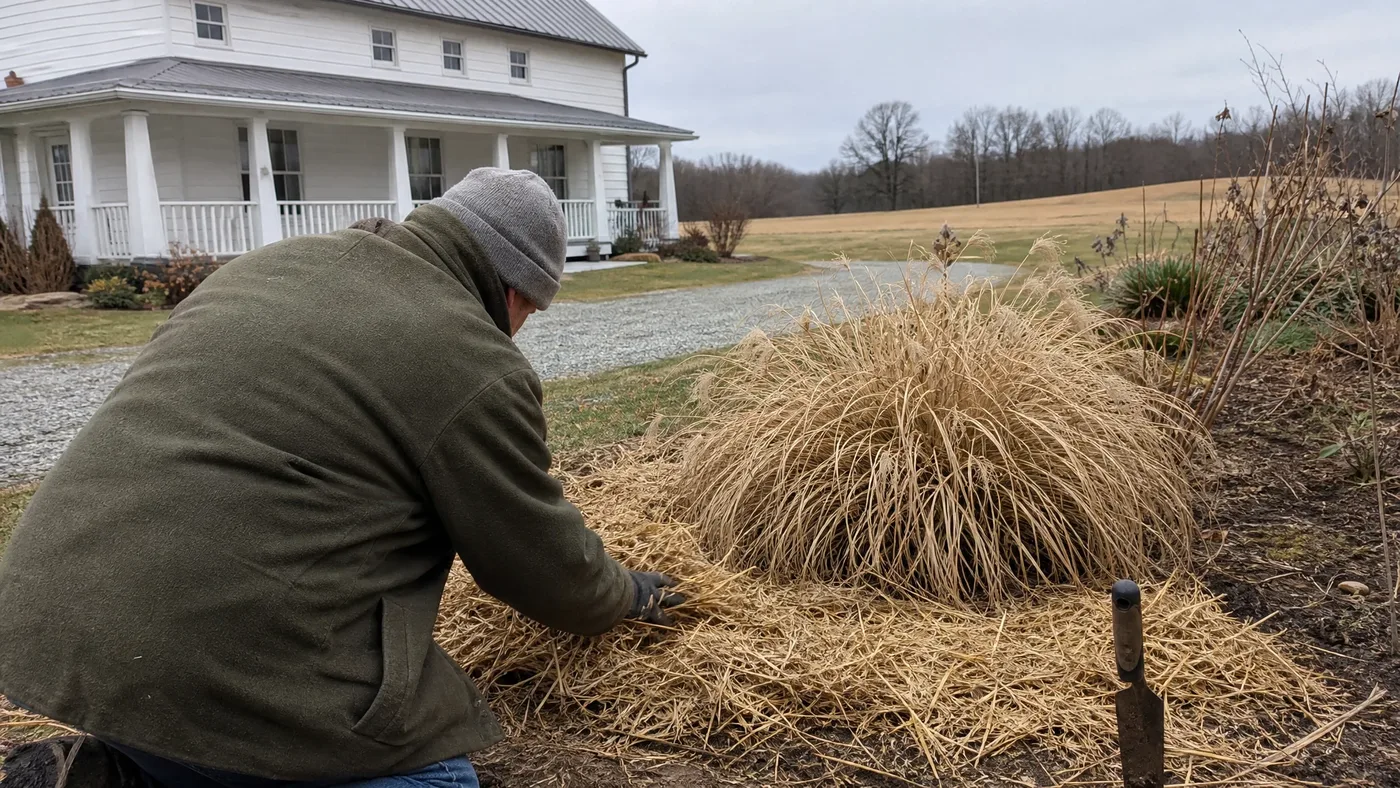
Mulch changes the soil, not the weather. A layer over the root zone slows freezing and thawing, which reduces heaving and keeps soil moisture steadier through winter. It does nothing to the air temperature around the foliage or to how much cold the plant's tissue can take. That is why mulch can help a zone 5 plant at the margin and cannot turn it into a zone 3 plant.
The common advice is to bury the crown deep for winter. We would not. Mulch piled against the base of the clump holds moisture there, and wet crowns are where fountain grasses fail. We often see mounds of wet leaves packed around crowns, which do more harm than a bare clump would.
How to Mulch for a Marginal Winter
This is the routine we suggest for a zone 4 trial planting, once the ground has started to freeze:
- Spread a loose, modest layer of shredded bark or leaves over the root zone, out to the edge of the clump.
- Keep the mulch from heaping against the crown itself, so water can drain away from it.
- Leave the foliage standing (see the next section) so it shelters the crown above the mulch.
- Pull the mulch back in spring as soil warms, so the crown dries and new growth starts on time.
Planting early enough to root well before the first freeze matters more than any mulch. Our planting guide covers the steps.
A Fall Cutback Protects Hameln Fountain Grass in Zone 4
Cutting in fall removes the one free layer of insulation the plant carries. Hameln's care calls for removing dead foliage and old flowered stems in spring. In cold zones that rule matters even more, because the standing clump shelters the crown and holds snow around it.
Why Standing Foliage Helps
A crown wrapped in dead leaves sits warmer and drier than a crown cut to stubs. Fall cutting also leaves the bare crown open to cold snaps and wet snow with nothing to buffer it.
When to Make the Cut
Wait for late winter or early spring, before new green shoots appear. Cut the clump down to a few inches above the crown and clear the debris. If you cut after growth has started, you slice off new tips and the clump looks ragged for weeks. Our guide on when and how to cut back Hameln gives the full method. In zone 4, this is the one care step we would treat as non-negotiable: do not cut in fall.
Plant Tags Settle the Size Question
A tag gives one number, and the sources give several. Hameln reaches 2–3 feet in both directions. A metric range runs 0.5–1 meter, or about 1.5–3 feet. The species runs 2–4 feet tall and wide. National Arboretum is advertised at 24 inches but measured 30 by 36 inches at year 2. All of those are right, for different plants at different ages.
Why the Numbers Differ
Tags disagree because growers measure differently. Some record the foliage mound alone, some include the plumes, and some describe a first-year plant while others describe a mature clump. Site matters too. Full sun and open soil give a fuller clump than part shade, which Hameln tolerates but does not prefer.
What to Plan For
Plan on about 3 feet of height and 3 feet of width for either cultivar, and treat anything less as a pleasant surprise. Our guide to how big Hameln really gets walks through the growth pattern. Hameln stays at the lower end of the species range, which suits borders better than the larger species does.
Settled Facts for Cold-Zone Hameln Fountain Grass
After testing each belief against the sources, these points hold up for colder-zone gardeners:
- Hameln is rated for zones 5 through 8. Zone 4 is outside the published range.
- National Arboretum carries an advertised Zone 6 rating in the trial. No trial data in our sources supports zone 4.
- Both clumps land near 2–3 feet tall and 2–3 feet wide, so plume thickness tells you nothing about clump size.
- Hameln blooms about 2 weeks earlier than other fountain grasses, which is a real advantage where the season is short. National Arboretum blooms fairly late.
- Mulch moderates soil temperature swings and does not make a plant hardy beyond its rating.
- Cut back in spring, not fall, and leave the foliage standing to shelter the crown.
Hameln is also deer resistant, and it has no major pest or disease concerns, so winter is the main risk in a cold garden.
Which Fountain Grass Fits Your Zone
For zones 5 through 8, plant Hameln. Its rating is published, its clump stays at 2–3 feet, and its plumes arrive about 2 weeks ahead of other fountain grasses. National Arboretum offers a thicker plume and about the same size, but nothing we can verify makes it the hardier choice. In zone 4, we would try Hameln in the sunniest, best-drained spot you have and treat National Arboretum as a gamble of the same kind.
Zones 5 through 8 suit Hameln at 2–3 feet. Zone 4 suits neither plant with certainty, and results there depend on your site and the winter you get.
Hameln Fountain Grass
Nursery-grown Hameln Fountain Grass in sizes from Quart Plant, shipped to your door.
From $49.49
Shop Now →Sunny, well-drained ground on our farms is where Hameln stays at its tidy 2 to 3 feet, and we are upfront that zone 5 is the edge we can vouch for. Every tree, shrub, grass and perennial we sell is raised by us on our own farms, so you can trust the grass you pick for your zone. When you are ready to choose between Hameln and National Arboretum, browse what is in stock now.