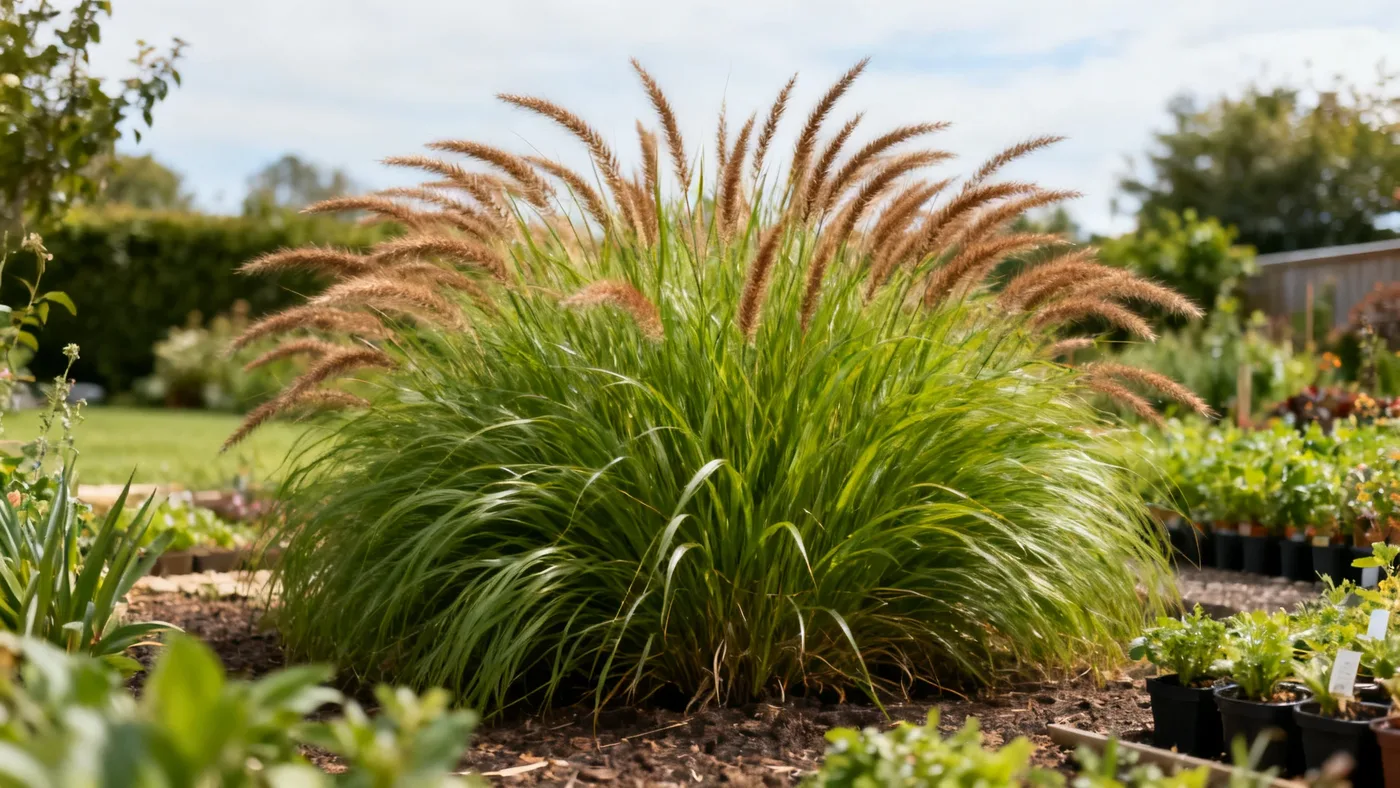
Hameln Fountain Grass vs Other Pennisetum Cultivars Compared
Choosing among Pennisetum alopecuroides cultivars means weighing size, bloom color, hardiness, and specific garden roles. Hameln fountain grass sits in the middle of the cultivar spectrum, not the tiniest, not the tallest, making it work well for mixed borders, mass plantings, and container gardens. But that fit isn't automatic. This guide walks through how Hameln stacks up against its closest relatives so you can pick the right one for your space.
Why Compare These Pennisetum Alopecuroides Cultivars?
The species Pennisetum alopecuroides has spawned dozens of named cultivars. The differences sound small on paper but shift how plants perform in borders. Some cultivars bloom earlier or later. Some offer darker plumes. Some stay compact; others sprawl. For commercial growers, landscapers, and gardeners planning drifts or specimen plantings, picking the wrong cultivar wastes three years of growth and takes up bed space that could do more.
Hameln fountain grass varieties tend to share a common target: a tidy, mid-sized perennial that flowers reliably, resists pests, and earns its place without fussing. But if your site plan calls for something tighter, taller, or darker, a different cultivar might serve better.
Hameln Fountain Grass vs Other Cultivars at a Glance
| Cultivar | Mature Height (foliage) | Mature Width | Bloom Plume Color | Bloom Time | Hardiness Zones | Best Spacing |
|---|---|---|---|---|---|---|
| Hameln | 18-24 inches | 18-24 inches | Creamy white to buff | July–October | 5-9 | 18-24 inches |
| Little Bunny | ~12 inches | ~12 inches | White to tan | Mid to late summer | 5-9 | 12-15 inches |
| Moudry | Taller than Hameln | Wider than Hameln | Dark burgundy | Late summer to fall | 5-9 | 24-30 inches |
| Cassian's Choice | Compact (variable) | Compact (variable) | White to pale pink | Mid to late summer | 5-9 | 18-24 inches |
| Oriental Fountain Grass | Shorter than Hameln | 12-18 inches | Pink to rose | Earlier than Hameln | 6-9 | 12-18 inches |
Note: Specific measurements vary by region and growing conditions. Check your local extension service if you need exact cultivar data for your climate.
Hameln Fountain Grass: The Mid-Size Sweet Spot
Hameln is a compact cultivar selected in Germany to deliver ornamental grass benefits without sprawl. At 18 to 24 inches tall in the foliage mound and 24 to 30 inches with blooms, it scales well into borders without overwhelming neighboring perennials. Creamy white to tan plumes emerge mid to late summer (roughly July to October, depending on your region) and age to a soft buff color that extends into winter.
Pros of Hameln:
- Reaches full mature clump size in 2 to 3 growing seasons, so you see results faster than taller cultivars
- Blooms the first year from a quart-size container, making it ideal for filling gaps quickly
- Compact habit means 18 to 24 inches of spacing, allowing denser drifts and tighter mixed borders
- Highly deer and rabbit resistant; generally pest-free
- Good drought tolerance once established; adapts to most well-drained soils
- Full sun produces the most compact habit and best bloom color
Cons of Hameln:
- Bloom color is subtle. If you want bold visual impact, darker or pink-hued cultivars may read better from a distance
- Not the shortest option; for tiny spaces or edging, Little Bunny may work better
- Requires cutting back to 3 to 4 inches above ground in late winter; neglecting this task leads to clumps that thin in the center after several years
Little Bunny: Ultra-Compact Perfection
Little Bunny is the dwarf option in the Pennisetum alopecuroides lineup, topping out at roughly 12 inches tall. It's a genuinely small cultivar, not just a young plant, and it maintains that stature year after year.
Pros of Little Bunny:
- Ideal for edging, rock gardens, and container plantings where taller grasses would be too bold
- Tight spacing (12 to 15 inches apart) allows for dense, formal-looking plantings with less real estate
- Similar bloom timing and color to Hameln, so the two work together in layered designs
- Equally pest-resistant and drought-tolerant once established
Cons of Little Bunny:
- Smaller clumps mean less visual weight in drifts; you need more plants to achieve the same presence
- Can be harder to find in commercial nurseries, so availability may be limited in your region
- Its diminutive size makes it easy to lose in mixed borders if not positioned thoughtfully
Moudry: Deep Plumes and Bolder Presence
Moudry fountain grass is a larger, darker cultivar, often growing taller and wider than Hameln. Its plumes are a deep burgundy to almost black, creating striking contrast against green foliage or softer-colored companions.
Pros of Moudry:
- Dramatic dark plume color reads powerfully in borders and photographs well
- Larger mature size commands attention as a specimen plant or anchor in a planting
- Same hardiness and pest resistance as Hameln
Cons of Moudry:
- Requires wider spacing (24 to 30 inches) to avoid crowding neighbors, limiting density
- Taller habit may shade or compete with shorter perennials nearby
- Takes longer to fill in than Hameln, so patience is needed in year one and two
- Best for large borders and naturalistic drifts; less suited to tight mixed beds or containers
Cassian's Choice and Piglet: Compact Variations
These cultivars occupy the same general size class as Hameln but may differ slightly in exact mature dimensions and plume characteristics. Cassian's Choice, for instance, offers a compact habit similar to Hameln with subtle variations in color or bloom timing. Piglet is another dwarf option, though regional differences in growing conditions can shift its performance.
Best use: When Hameln is unavailable or when you want to experiment with a close alternative in your climate. Always check with local sources for cultivar-specific data before committing to large quantities.
Oriental Fountain Grass: A Different Species Entirely
Pennisetum orientale (Oriental fountain grass) is a different species from Pennisetum alopecuroides. It blooms earlier than Hameln, typically mid to late summer, and its plumes range from soft pink to deeper rose tones. Hardiness maxes out at zone 6 to 9, making it less cold-hardy than Hameln, and its mature size usually runs smaller than Hameln's footprint.
Best for: Warmer regions and gardeners who want pink blooms without the tenderness of purple fountain grass (Pennisetum setaceum).
Purple and Red Fountain Grass: A Cautionary Note
Pennisetum setaceum (red or purple fountain grass) appears in many online comparisons, but it's important to clarify: it's a tender annual or frost-tender perennial in most zones, surviving only year-round in the warmest regions. If you live in zones 5 to 7, Pennisetum setaceum won't overwinter outdoors. Hameln, by contrast, is reliably perennial in zones 5 to 9, making it the cold-hardy choice for most of North America.
Best Hameln Fountain Grass Variety for Your Use Case
Choosing the right fountain grass cultivar depends on your specific design intent and site constraints.
Choose Hameln if: You want a tried-and-tested dwarf fountain grass variety that blooms first year, reaches mature size in 2 to 3 seasons, works in mixed borders at 18 to 24 inch spacing, and thrives in zones 5 to 9 with minimal fussing. Most gardeners and landscapers find Hameln meets these criteria consistently.
Choose Little Bunny if: Your space is tight, edging a path, filling a rock garden, or anchoring a small container. You're willing to buy more plants to achieve visual density, and you prioritize compact habit above all else.
Choose Moudry if: You want drama. A single dark-plumed specimen or a 10-plant drift of Moudry commands attention in ways that pale-plumed cultivars cannot. You have the bed depth to accommodate its larger width (24 to 30 inch spacing), and you're planting for long-term structure in a mature perennial border.
Choose Cassian's Choice or Piglet if: You're experimenting with local cultivar availability or testing regional performance. These alternatives sit close to Hameln's niche and may outperform it in your specific climate.
Choose Oriental Fountain Grass if: You live in zones 6 to 9 and specifically want pink plumes. Otherwise, Hameln's greater hardiness and availability make it a safer bet.
Growing and Care Differences
Most Pennisetum alopecuroides cultivars share similar cultural needs. All prefer full sun for the most compact habit. All tolerate average, regular moisture until established, then settle into moderate drought tolerance. All should be cut back to 3 to 4 inches above ground in late winter, never in fall, to preserve winter interest and avoid promoting new growth before the last frost.
The main difference is spacing: Little Bunny and Oriental Fountain Grass can go closer (12 to 18 inches), while Moudry needs room (24 to 30 inches). Start with the link to Hameln fountain grass care: the complete growing guide for detailed seasonal timing and long-term clump management. For initial establishment, how to plant Hameln fountain grass for a strong start walks through hole prep, amendments, and first-year watering schedules that work for most Pennisetum alopecuroides cultivars.
Quick Reference: Choose Your Cultivar
| Your Need | Best Cultivar | Why |
|---|---|---|
| Small garden bed, tight spacing | Little Bunny | Only 12 inches tall; plant 12-15 inches apart |
| Mixed border, standard perennial scale | Hameln | 18-24 inches; blooms year one; fills in 2-3 years |
| Bold, dramatic dark plumes | Moudry | Taller and wider; deep burgundy plumes; needs 24-30 inches spacing |
| Pink bloom color, warm zone only | Oriental Fountain Grass | Zones 6-9; earlier bloom; rose-pink plumes |
| Tender annual effect, warm regions | Pennisetum setaceum | Not cold-hardy; treat as annual in zones 5-8 |
| Can't find preferred cultivar | Cassian's Choice or Piglet | Similar size and habit to Hameln; test regional performance |