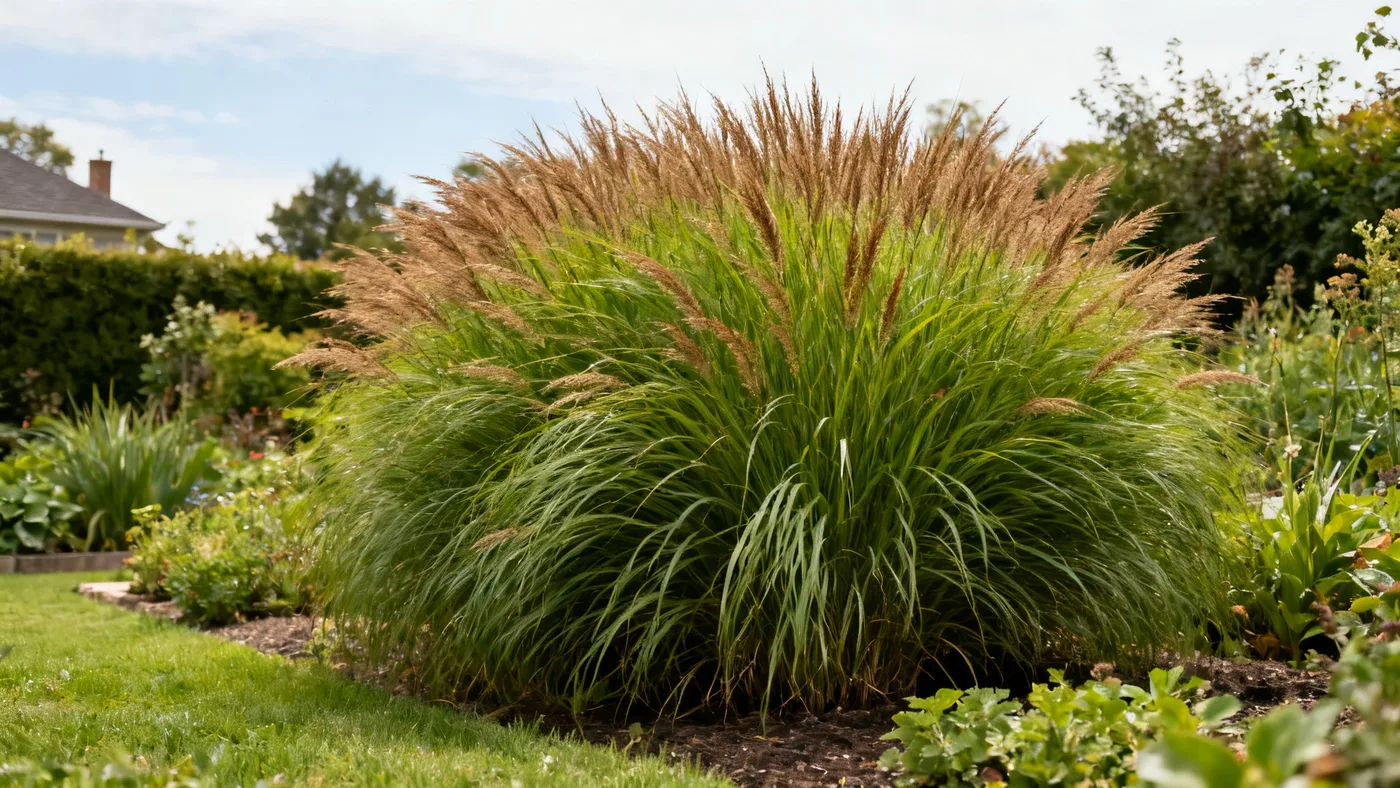
Is Hameln Fountain Grass Drought Tolerant? Heat and Water Needs
Hameln fountain grass earns its reputation as a no-fuss ornamental. Once established, this dwarf cultivar handles heat and limited water far better than most landscape plants, making it a natural choice for xeriscape gardens and low-maintenance borders. But "drought tolerant" doesn't mean "plant it and ignore it." The first growing season matters. This guide walks you through planting and watering practices that build a resilient, heat-proof plant.
Understanding Hameln Fountain Grass Drought Tolerance
Hameln fountain grass shows good drought tolerance once established. The key word is "once." A newly planted young clump needs consistent moisture through its first season to develop deep roots. After 2 to 3 growing seasons when the plant reaches full mature size, it can endure moderate water stress without wilting or declining.
This moderate drought tolerance comes from the plant's structure. The fine-textured, arching blades reduce water loss. The dense root system, developed during establishment, taps moisture deep in the soil profile. In zones 5 through 9, this makes Hameln a practical choice for regions where irrigation is limited or seasonal.
The cultivar adapts to most well-drained soils, from clay to sandy. Soil that drains quickly means the plant faces less sitting water (a real killer for warm-season grasses) but also needs more attentive watering during the first 12 months. Soil that retains moisture longer gives you a buffer, but poor drainage invites root rot.
Heat Tolerance and Full Sun Performance
Hameln fountain grass is a warm-season grass, meaning it actively grows during hot months when cool-season plants slow down. It thrives in full sun and blooms most heavily with at least 6 to 8 hours of direct light daily. In full sun, you'll see the most compact, upright habit and the most prolific creamy white to tan flowering plumes from mid to late summer through fall.
Light shade is tolerable, though the plant becomes looser and blooms less abundantly. In hot, dry climates (say, zones 8 to 9 with intense afternoon sun), Hameln actually prefers afternoon shade; full, unrelenting heat can stress even warm-season grasses. The difference is striking. A plant in full afternoon heat may need more frequent watering during establishment, while the same plant 10 feet to the west with 2 hours of afternoon shade stays more stable.
The plant's fall color deepens the appeal for heat-prone landscapes. As temperatures drop, foliage turns golden tan to russet or copper, providing visual interest through winter. This color shift happens reliably in zones where the plant is hardy, regardless of drought severity.
Establishing a Drought-Tolerant Plant: First-Year Watering
A plant bought in a quart or #1 container is young and not yet drought tolerant. Your job is to build the root system over the first season. Skip this step or rush it, and you'll fight drought sensitivity for years.
Materials and Setup
- Hameln fountain grass plant (quart or #1 container)
- Well-drained soil amended with compost (2 to 3 inches tilled in)
- Mulch (2 inches of wood chips or compost)
- Watering can or soaker hose
- Garden spade
- Balanced fertilizer (slow-release preferred)
Steps
- Plant in spring after last frost, or early fall in mild climates. Timing matters. Spring planting gives the plant 6 months of warm weather to root in before winter dormancy. Early fall planting (late August or September in zones 5 to 7) works in milder zones but risks winter damage in harsh climates. Choose the planting window that matches your zone and local frost date.
- Dig a hole the same depth as the container but 1.5 times wider. A shallow, wide hole encourages lateral root spread. A deep hole invites water to pool at the root collar, promoting rot. Place the plant so the soil line matches the container top.
- Amend the backfill with 25 to 30% compost or aged bark. Hameln tolerates clay and sandy soils, but amending improves drainage (in clay) or water retention (in sand). Well-amended soil means fewer watering crises in year one.
- Water immediately after planting. Settle the soil and eliminate air pockets. Soak gently but thoroughly, so water reaches 4 to 6 inches deep. Use a soaker hose or watering can to avoid displacing the plant.
- Apply 2 inches of mulch around the base, keeping it 2 inches away from the crown. Mulch reduces evaporation and moderates soil temperature swings. Too much mulch piled against the grass crown invites fungal issues and rot.
- Water every 3 to 4 days if rainfall is below 1 inch per week. The first 4 to 6 weeks after planting are critical. The plant's roots are shallow and concentrated in the pot-ball. Inconsistent moisture stresses the plant. Check soil moisture 3 inches down. If it's dry, water. If it's moist, wait.
- After 6 weeks, taper watering to 2 times per week if conditions stay dry. As roots expand into surrounding soil, the plant becomes more self-sufficient. By midsummer of the first year (if planted in spring), watering once a week is usually adequate unless temperatures exceed 90°F or rainfall drops below 0.5 inches per week.
- Apply a balanced fertilizer in mid-spring, at the label rate. Hameln is a light feeder, but year-one plants benefit from a gentle nutrient boost. Avoid heavy nitrogen, which causes loose, floppy growth and delays drought hardening. A slow-release product feeds consistently without a nutrient flush.
Watering Strategy After Year One
Once the plant enters year two and beyond, drought tolerance improves markedly. Most established clumps 3 years or older rarely need supplemental water in zones 5 to 9 unless the region experiences a true drought (less than 1 inch of rain per week for 6 or more weeks).
That said, optional summer watering during establishment years (years 2 and 3) accelerates the transition to full maturity and more prolific blooming. A single deep soaking (1 to 1.5 inches, delivered via sprinkler or soaker hose) every 2 to 3 weeks during the peak summer season keeps the plant vigorous without creating dependence.
Container-grown Hameln is an exception. Pots dry faster than in-ground beds. A Hameln in a 5 to 7-gallon container needs water every 4 to 7 days during summer, even as an established plant. Amend the potting mix with 30% compost to improve water retention and reduce the frequency.
Soil Preparation for Low-Water Conditions
Drought tolerance starts with soil. Well-drained soil is non-negotiable. Hameln does not tolerate standing water or soil that stays soggy for more than a few hours after rain.
If your site has clay-heavy soil that pools water, amend 2 to 3 inches deep with compost, aged pine bark, or coarse sand. Work the amendment into the top 6 to 8 inches of soil before planting. If the site is already heavily amended from a previous project, a simple spade-depth turn with 1 to 2 inches of compost is enough.
Soil pH is adaptable, roughly 6.0 to 7.5 (slightly acidic to neutral). Hameln thrives in this range without amendment in most residential landscapes. If you have extreme pH (below 5.5 or above 8.0), a simple soil test from your local extension service guides correction. For most gardeners, this is not a factor.
Mulch is your second tool. A 2-inch layer of wood chips or compost reduces surface evaporation by up to 50%, cutting watering frequency significantly. In hot zones (8 to 9), mulch also moderates soil temperature, reducing heat stress during peak summer.
Common Mistakes and Tips to Avoid
Mistake 1: Assuming "drought tolerant" means "never water." Drought tolerance is not invisibility. Young plants need consistent moisture. Even established plants in true drought benefit from one or two deep soakings per season. Plan to water once during the first year, then reassess based on rainfall.
Mistake 2: Planting in poorly draining soil and hoping mulch fixes it. Mulch reduces evaporation but doesn't improve drainage. If the plant is standing in water, amending the soil is the only cure. Hameln roots rot in waterlogged conditions within weeks.
Mistake 3: Watering lightly and frequently. Shallow, daily watering encourages shallow roots and dependency. Instead, water deeply once or twice per week during establishment. Deep watering trains roots to grow downward into stable moisture reserves.
Mistake 4: Over-fertilizing. A heavy fertilizer schedule, especially high-nitrogen formulas, produces lush but weak growth. The plant becomes loose and floppy, more susceptible to stress. Stick to a light spring application or skip fertilizing entirely in year two and beyond if the plant looks vigorous.
Mistake 5: Cutting back in fall. The dried foliage and plumes provide winter interest and shelter. Don't cut them back until early spring (late February to early March in most zones) when new growth emerges. Prune to 3 to 4 inches above ground.
Tip: Space plants 18 to 24 inches apart in drifts. This spacing allows air circulation, reducing fungal issues. Multiple plants in a group create visual mass and reduce the visual impact of any single plant's drought stress during dry spells.
Tip: Pair Hameln with other drought-tolerant perennials. Rudbeckia (black-eyed Susan), Echinacea (coneflower), Russian sage (Perovskia), and Sedum share similar water and sun needs. A mixed bed of these plants creates a cohesive low-water landscape where all plants thrive on the same watering schedule.
Tip: Monitor soil in heat waves. Summer temperatures above 90°F increase evaporation even in established plants. Check soil moisture during heat waves. If the top 2 inches are dry, water.
Managing Hameln in Xeriscape Designs
Hameln fountain grass fits naturally into xeriscape and low-maintenance gardens. Its dense mounding form works as edging along walkways, as a filler between larger perennials, or massed as a textural accent. For a complete growing guide on design, spacing, and companion plants, refer to our complete care guide.
In mass plantings of 5 or more plants (spaced 18 to 24 inches apart), establish once and water as a group for the first season, then rely almost entirely on natural rainfall in year two onward. The scale and repetition of a drift planting creates impact even if individual plants show minor stress during occasional dry spells.
Expected Results
With proper establishment, a Hameln fountain grass planted in spring will reach 18 to 24 inches in height (24 to 30 inches with plumes) by late summer of the first year. Foliage will appear dense and upright if planted in full sun. Blooming begins reliably in mid to late summer, with creamy white to tan plumes persisting into fall. Color transitions to golden tan or russet in autumn.
By year two and three, the clump expands to full mature width of 18 to 24 inches. A well-established plant should need no supplemental water in normal rainfall years (1 inch per week or more). During drought years, occasional deep watering (once every 3 to 4 weeks) supports continued vigor, though the plant survives without it.
A mature Hameln typically remains vigorous and attractive for 4 to 6+ years. After this period, clumps may thin in the center; division every 3 to 4 years rejuvenates them. Spring is the best time to divide, lifting the entire clump and pulling apart smaller sections with roots attached, then replanting at the same depth.
Quick Reference: Hameln Fountain Grass Drought and Heat Care
| Aspect | Details |
|---|---|
| Drought tolerance | Good once established; requires consistent moisture first 12 months |
| Heat tolerance | Excellent; full sun (6-8 hrs daily) optimal; tolerates afternoon shade in zones 8-9 |
| USDA zones | 5-9 |
| Mature size | 18-24 inches wide, 18-24 inches tall (24-30 inches with plumes) |
| Spacing | 18-24 inches apart |
| Soil | Well-drained; adaptable to clay, sandy, or amended soil (6.0-7.5 pH) |
| Year-one watering | Every 3-4 days first 6 weeks; then 1-2 times per week through growing season if rainfall below 1 inch/week |
| Established watering (year 2+) | Rely on rainfall; optional deep soak every 2-3 weeks during peak summer in years 2-3 |
| Mulch | 2 inches wood chips or compost; keep 2 inches from crown |
| Fertilizing | Light feeder; one balanced application in spring if desired; avoid excess nitrogen |
| Container growing | Needs water every 4-7 days during summer even when established; use amended potting mix |
| Pruning | Cut back to 3-4 inches in late winter/early spring; do not prune in fall |
| Time to maturity | 2-3 growing seasons to full clump size; blooms first year from quart container |
| Best for | Xeriscape, low-water borders, mass plantings, erosion control, containers |