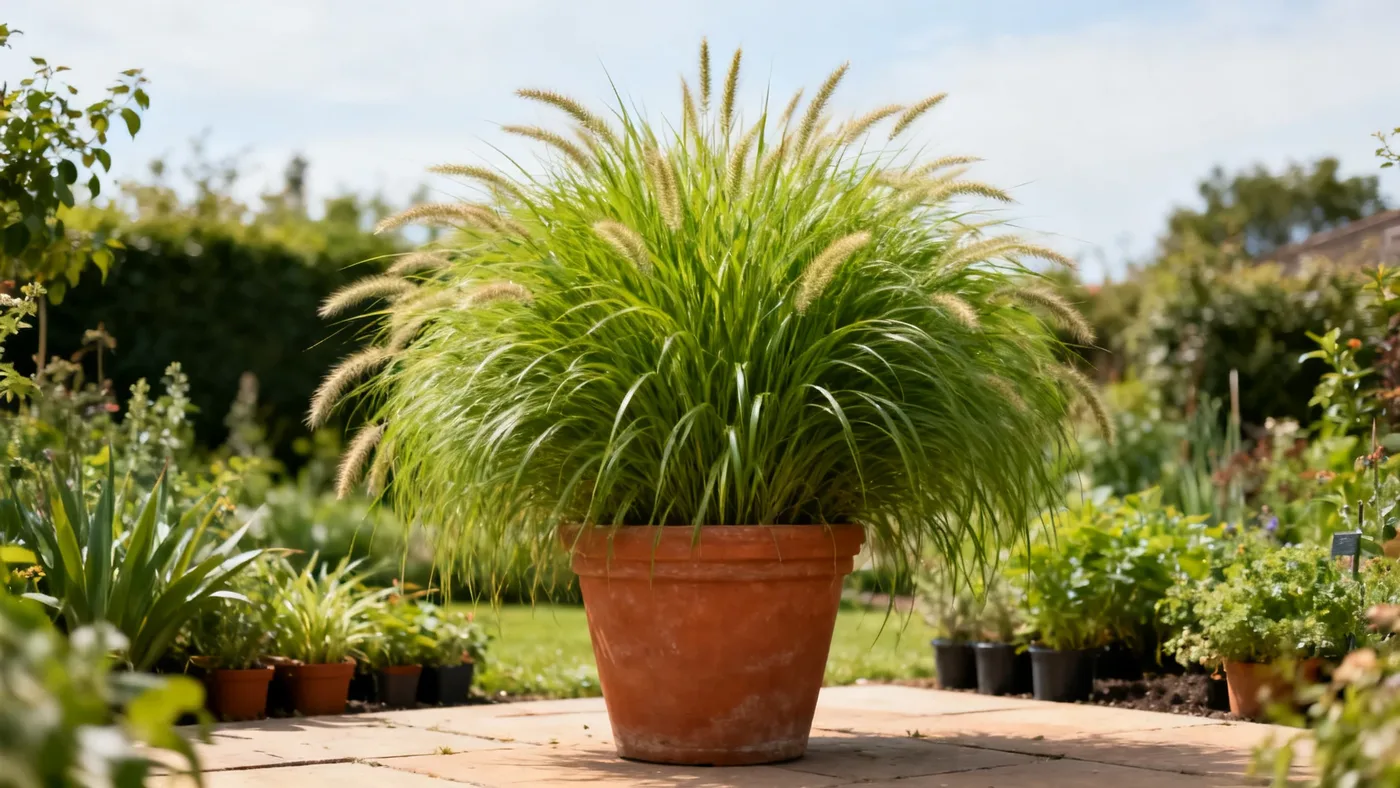
Buying Hameln Fountain Grass: Container Sizes and What to Look For
Hameln Fountain Grass (Pennisetum alopecuroides 'Hameln') is one of the most accessible ornamental grasses for home gardeners, but choosing the right plant at the nursery makes a real difference in how quickly it establishes and looks in your garden. Container size, plant vigor, and visible health are the main factors that separate a thriving clump from one that wastes a season just recovering. This guide walks you through exactly what to look for when you buy Hameln Fountain Grass, what the different pot sizes mean, and how to spot a quality plant before you bring it home.
Understanding Container Sizes for Hameln Fountain Grass
Nursery-grown Hameln Fountain Grass is typically sold in three standard container sizes: quart, #1 gallon, and #3 gallon. Each size represents a different stage of growth and comes with different trade-offs in price, establishment speed, and value.
Quart Containers
A quart-size Hameln Fountain Grass is a young plant, usually only a few months old. These small plants are affordable and ideal if you're mass planting multiple locations or working with a tight budget. A quart-size plant will bloom its first year when planted in spring, reaching modest size by midsummer. From a quart container, you can expect the plant to reach its full mature clump size of 18 to 24 inches in width and 18 to 24 inches tall over the next 2 to 3 growing seasons. If you're patient, quart-size plants deliver excellent value. The downside: they need consistent moisture and attention during their first season to establish a strong root system, and they'll look sparse in the garden until they fill in.
#1 Gallon Containers
A #1 gallon pot is the middle ground and the most commonly available size when you buy Hameln Fountain Grass at a typical nursery. These plants are more developed than quart specimens but not yet at full maturity. A #1 gallon plant is usually 6 to 12 months old and offers a good balance of price and instant garden impact. You'll pay more than for a quart, but you get a visibly fuller clump that makes an immediate statement in the landscape. Most #1 gallon Hameln plants will reach mature size within 2 growing seasons. This size works well if you want a mix of affordability and quick visual results, and the plants are established enough to handle moderate neglect after the first month of watering.
#3 Gallon Containers
A #3 gallon pot holds a mature or near-mature Hameln Fountain Grass plant. These specimens are typically 18 to 24 months old and close to their full size. When you install a #3 gallon plant, you get near-instant landscape presence. The plant is already developing plumes and has a fully established root system, so it requires far less babying through the first season. The trade-off is cost: a #3 gallon specimen will cost 2.5 to 4 times as much as a quart. For most home gardeners, a #3 gallon plant is overkill unless you're filling a prominent focal point or lack the time to wait for a smaller size to establish. Where #3 gallon plants shine is in professional landscape installations and when planted in groups where you want immediate visual cohesion.
What to Look For: Quality Indicators
Once you know the container size you want, focus on these specific quality markers. A healthy Hameln Fountain Grass plant shows them consistently, and skipping any one is a red flag.
Dense, Green Foliage
The foliage should be uniformly green and fine-textured, forming a compact mound even in a quart pot. The leaves should not be yellow, brown, or scorched at the edges. Thin or sparse foliage suggests the plant has been stressed by drought, overwatering, or poor light at the nursery. Check the interior of the clump, not just the outer edge. If you can see bare patches of soil in the center, the plant is weak or recovering from neglect.
Moist (Not Waterlogged) Soil
Push your finger into the soil an inch or two. It should feel moist but not soggy. If water drips out or the soil smells like mildew, the plant has been overwatered and may have root rot. If the soil is bone-dry and pulling away from the sides of the pot, the plant has been chronically neglected. Either extreme suggests the plant will struggle after planting.
No Visible Pests or Disease
Look closely at the base of the plant and under the leaves. Mealybugs (white cottony clusters) and scale insects occasionally appear on stressed plants. Fungal leaf spots show up as dark, irregular patches on the foliage. Pennisetum is generally pest-free and disease-free when healthy, so any visible infestation is a sign that plant has been neglected or kept in overly humid conditions.
Compact Growth Habit
The plant should look like a tight, rounded mound, not tall and floppy. Tall, sparse, or leaning growth means the plant spent time in low light at the nursery (possibly in a crowded growing area). Once you plant it in full sun, it will naturally tighten up, but you're essentially paying to rehabilitate a plant rather than buy a healthy one. Full sun and compact habit go hand in hand for Hameln Fountain Grass: best bloom and the most compact form happen in full sun locations.
No Roots Growing Through Drainage Holes
A few roots emerging from the bottom of the pot are normal. A thick mat of roots circling the pot (severe root binding) suggests the plant has been in the container too long or received inconsistent watering. Severely rootbound plants take longer to establish in the ground because they often keep growing in a tight spiral instead of spreading into the surrounding soil.
Container Size and Planting Timing
Timing matters more for smaller containers than large ones. Quart and #1 gallon plants should ideally be planted in spring after the last frost in your region, or in early fall in mild climates (zones 8 and 9). This gives them time to establish before winter. A #3 gallon specimen is more forgiving because it already has a robust root system, so it can handle a wider planting window, though spring and early fall remain ideal. If you're buying in summer, choose the largest size you can afford; the bigger root system will handle heat stress better while it acclimates to your garden.
Price Expectations and Value
Price varies by region and nursery, but here's what you can generally expect:
- Quart: $4 to $8 (best for budget planting and mass drifts)
- #1 gallon: $10 to $18 (best for most home gardeners)
- #3 gallon: $20 to $35 (best for immediate impact or focal plantings)
The best value for most situations is the #1 gallon size. You're not paying a premium for full maturity, yet you're buying a plant that's already past the fragile establishment phase. A cluster of three #1 gallon plants spaced 18 to 24 inches apart will look substantially fuller within one growing season than the same number of quart plants, and the per-plant cost is significantly lower than three #3 gallon specimens.
Red Flags to Avoid
Skip any plant that shows these issues, no matter how good the price seems:
- Dead or brittle foliage at the top or center of the clump
- Soil that's dry and crumbly or saturated and smelly
- Visible insects, webbing, or sticky residue on the leaves
- Roots circling the outside of the entire pot in a thick mat
- Yellow or brown leaves that don't improve when the plant is watered
- Stagnant water pooling on the soil surface (drainage problem)
- A tilted or leaning stem that won't straighten when repositioned
If a plant looks marginal, walk past it. Healthy specimens are widely available, and starting with a vigorous plant saves you a full growing season of catch-up.
Where to Buy Hameln Fountain Grass
Your best sources for quality Hameln Fountain Grass include:
Local Nurseries and Garden Centers
Local nurseries are your best bet for hands-on inspection. You can examine the plant, feel the soil, and talk to staff who know local growing conditions and have actually grown these plants outdoors in your region. A good independent nursery will also replace or refund a plant that doesn't perform in your garden, something big-box stores rarely offer.
Regional Specialty Growers
Ornamental grass specialists and regional wholesale growers sometimes sell directly to the public or through mail order. These operations know Hameln Fountain Grass inside and out, ship during the right planting window, and often include growing instructions. Shipping adds cost and carry-over loss, but you get expertise and premium plants.
Larger Garden Centers and Home-Improvement Stores
Big-box retailers stock Hameln Fountain Grass seasonally, usually from spring through early summer. Quality is inconsistent because these stores prioritize turnover over plant health. If you do buy from a big-box store, inspect the plant carefully for the quality indicators listed above, and water it well immediately after bringing it home. Many of these retailers will accept returns within 30 days if the plant dies, which provides some insurance.
Online Mail-Order Growers
Reputable mail-order nurseries ship healthy specimens at the right time of year. Shipping costs are real, but plants arrive in good condition. Always check reviews and verify that the nursery has a strong track record with Hameln Fountain Grass before ordering.
Seasonal Availability
Hameln Fountain Grass is most widely available in spring (April and May) when planting season is in full swing. Selection narrows in early summer, and by late summer, many nurseries are clearancing last season's inventory at reduced prices. If you see a healthy plant on clearance in July or August, and you're willing to give it consistent water through establishment, you can score an excellent deal. Fall (September and October) brings a second wave of availability in zones 8 and 9, where early fall planting is practical. Winter availability is limited because the plant is dormant and doesn't ship well in cold weather.
After You Buy: The First Month Matters
Once you bring your Hameln Fountain Grass home, success hinges on consistent watering for the first 4 to 6 weeks. Water deeply every 2 to 3 days if you're not getting rain, keeping the soil moist (not soggy) around the root zone. Do not fertilize right away; a newly planted grass can handle regular-strength fertilizer once new growth appears, but most garden soils have enough nutrients to support establishment. Focus on water and placement in full sun, and the plant will fill in fast. For complete growing guidance after purchase, see our care guide on Hameln Fountain Grass.
Quick Reference: Buying Checklist
| Aspect | Check Before Buying |
|---|---|
| Foliage Color | Uniformly green, fine-textured, no yellowing or brown tips |
| Foliage Density | Compact mound; no bare patches visible in the center |
| Soil Moisture | Moist to touch 1 to 2 inches down; no standing water or bone-dry patches |
| Pests or Disease | No visible insects, webbing, sticky residue, or leaf spots |
| Root Bound Check | Minimal roots at drainage holes; no thick root mat encircling the pot |
| Growth Habit | Compact, upright mound; not tall, thin, or leaning |
| Container Condition | Pot is clean and not cracked; drainage holes are clear |
| USDA Zones | Hardy in zones 5 to 9; check your zone before purchasing |