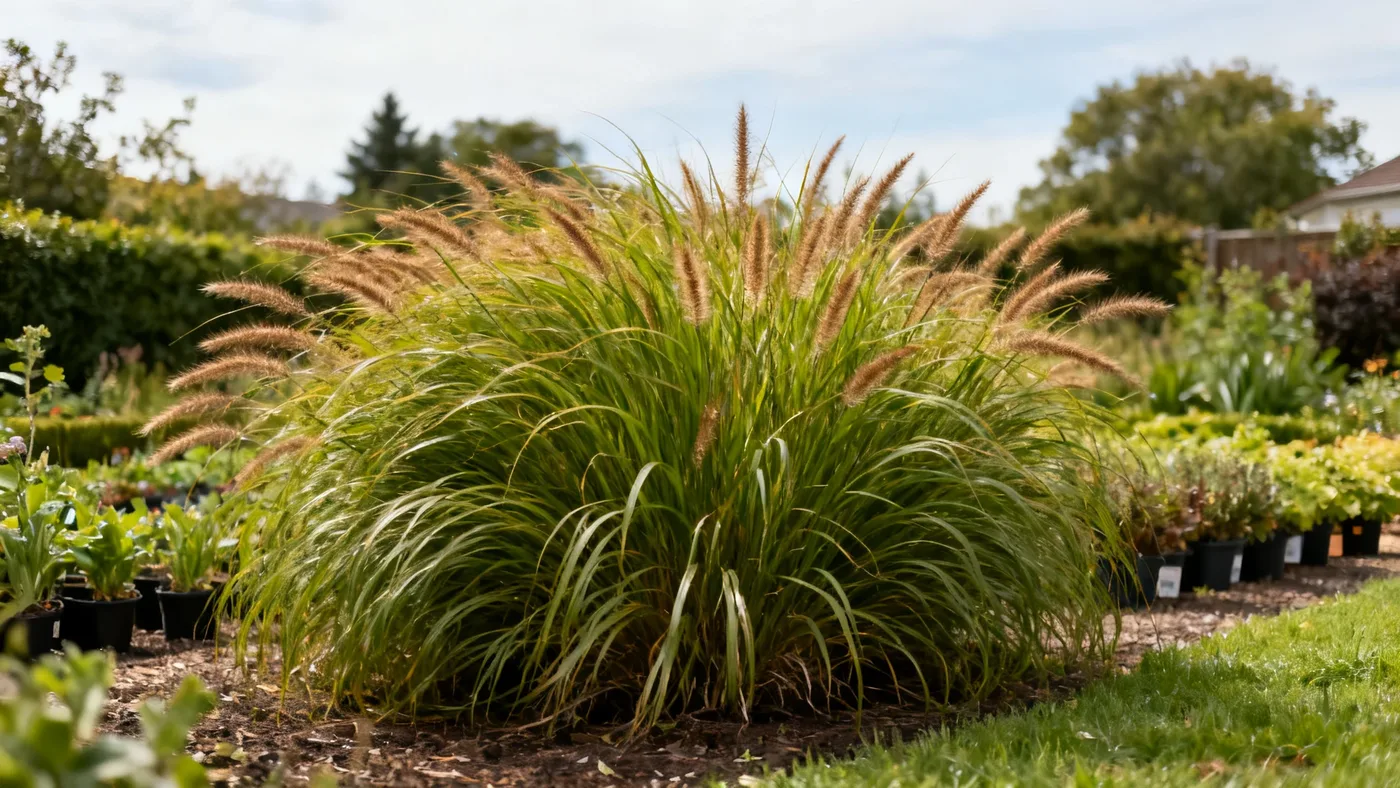
Sun Requirements for Hameln Fountain Grass: Full Sun vs Shade
Getting the light right is one of the quickest ways to unlock the full potential of Hameln Fountain Grass in your garden. While this dwarf ornamental grass adapts to different light conditions, where you place it makes a measurable difference in bloom production, plant shape, and long-term vigor. This guide walks you through assessing your space, positioning your plants, and adjusting care if growth lags.
Materials and Assessment Tools
To position Hameln Fountain Grass successfully, you'll need only observation and basic site knowledge. Gather: a note of your yard's sun exposure patterns (which you can track over a week), a garden map or sketch of your planting area, and an understanding of your USDA zone (zones 5 to 9). If you're working with an existing garden bed, notice where shade falls at different times of day, which helps predict year-round light levels.
Step 1: Assess Your Site's Light Exposure
Spend time observing your intended planting location throughout the day. Full sun means six or more hours of direct sunlight, while light shade means two to four hours of direct sun with dappled or morning light for the remainder. In full sun, Hameln produces the most plumes and maintains a tight, compact mound. In light shade, the plant still grows but with less intense bloom and potentially a more open habit.
Take note of seasonal changes too. A spot that feels shaded in summer by a nearby shrub may be sunnier in spring before deciduous plants leaf out. Early morning and late afternoon sun, while not as intense as midday rays, still count toward your light budget and often provide the steadiest conditions.
Step 2: Choose Your Planting Location
If you have a choice, plant Hameln Fountain Grass in full sun. This is where it will deliver the creamy white to tan bottlebrush plumes (typically appearing mid to late summer through fall) most reliably and maintain the dense, well-shaped mound you're looking for at 18 to 24 inches tall. Full sun also encourages the golden tan to russet fall color that makes this grass shine in autumn.
Light shade is acceptable if full sun is not available. The plant tolerates partial shade reasonably well and will still produce growth and flowers. It simply won't reach peak density or bloom as prolifically. If your space offers only two to three hours of direct sun daily, understand that plume production may drop and the foliage mound might sprawl slightly more than ideal.
Step 3: Space and Position for Light Penetration
When planting multiple clumps, space them 18 to 24 inches apart to allow light to reach the base of each mound and air to circulate freely. Crowding plants or tucking them too close to taller perennials can reduce light exposure and contribute to problems like center dieback or fungal leaf spot in humid conditions. If you're adding Hameln to an existing bed with tall neighbors like Russian sage or coneflowers, place it where it receives at least a few hours of unobstructed sun each day, ideally morning light.
Avoid planting in spots where water pools or stays damp in shade, as the combination stresses the grass and increases disease risk. Well-drained soil in good light is far superior to rich, moist soil in partial shade.
Step 4: Monitor Growth and Adjust Management
In the first season after planting, watch how your Hameln responds. A quart-size or #1 container plant blooms the first year but reaches full mature clump size in about two to three growing seasons. If your plant produces abundant plumes and stands upright without flopping, your light is adequate. If growth is sparse, plumes are minimal, or the mound spreads loose and open, suspect insufficient light.
A common mistake is over-fertilizing a plant in shade, which compounds the problem by promoting floppy, weak growth. Let the light level drive your care instead. A balanced spring fertilizer works for plants in full sun; in light shade, reduce feeding or skip it entirely and rely on well-prepared soil at planting time.
Step 5: Troubleshoot Light-Related Problems
If your Hameln Fountain Grass splits or flops by midsummer, too much shade is likely the culprit, especially if paired with overly rich soil. Move the plant to a sunnier spot during the dormant season (late winter or early spring before growth emerges), or consider thinning adjacent tall plants to open the canopy. Avoid cutting back the grass in fall, as standing dried foliage provides winter interest and structure; prune to 3 to 4 inches above ground only in late winter or early spring.
If the center of your clump dies out after two to three years, this is normal senescence, not a light problem. Divide the clump in early spring, or replant a fresh one. However, if multiple plants in a shaded area fail or underperform, insufficient light is the root issue. You'll have better success choosing a shadier-tolerant ornamental like sedge or switching to a sunnier bed for Hameln.
Expected Results by Light Condition
In full sun and well-drained soil, expect a dense mound 18 to 24 inches tall with plentiful plumes reaching 24 to 30 inches, excellent fall color (golden tan to russet), and vigorous regrowth year after year. The plant flowers prolifically from roughly July through October, depending on your region. Pest and disease issues are minimal.
In light shade with at least three to four hours of direct sun, Hameln still grows and flowers, though less dramatically. Plume production is noticeably lighter, the mound may be less dense, and fall color may be muted. The plant remains attractive and viable; you're simply not seeing its full potential. This trade-off is acceptable for gardeners with limited sun, as long as the site drains well and you avoid overly rich soil or crowding.
In deep shade (fewer than two hours of direct sun), Hameln struggles. Growth is weak, sparse, and may flop. This is not a good use of the plant or your effort. Choose a different location or a different plant better suited to shade.
Maintenance Notes for Different Light Scenarios
In full sun, Hameln is a low-maintenance plant once established. Water regularly until it's established (about the first growing season), then moderate drought tolerance kicks in. Full sun also means less disease pressure, so you can skip preventive fungicide sprays.
In partial shade, increase air circulation by not crowding plants and by removing any dead foliage that accumulates at the base. Watch for early signs of leaf spot (tan or brown lesions on blades) in humid climates, which is more common in shade. If you spot it, cut back the plant early and improve air flow.
Quick Reference: Sun Exposure and Performance
| Light Condition | Hours of Direct Sun | Plant Performance | Plume Production | Best For |
|---|---|---|---|---|
| Full Sun | 6+ hours | Dense mound, compact, vigorous | Abundant, creamy to tan | Ideal; recommended |
| Light Shade | 3-4 hours direct, dappled light | Loose mound, moderate growth | Light to moderate | Acceptable; watch drainage |
| Partial Shade | 2-3 hours | Weak, spreading, may flop | Minimal | Not recommended; consider alternatives |
| Deep Shade | Less than 2 hours | Poor; sparse, stressed | Very sparse or none | Unsuitable; choose different plant |
When to Reassess and Relocate
If your Hameln Fountain Grass underperforms in its first year, relocate it in early spring of the second year. This is far more effective than fiddling with fertilizer or pruning. The plant is forgiving and moves well during dormancy. Dig it carefully, preserve as much root as possible, and plant it in your sunniest available spot.
For more detailed guidance on planting, care, and maintaining Hameln Fountain Grass through the seasons, see our complete growing guide. Sun placement is the foundation, but proper watering, pruning timing, and seasonal management round out the full picture of success.
The bottom line: Hameln Fountain Grass shines in full sun. Position it there if you can, and you'll spend less time troubleshooting and more time enjoying its elegant plumes and garden-ready form.