Hameln Fountain Grass vs Hameln Gold: Foliage Color and Size
Picture a gardener with a spreadsheet, pricing out a ten-year border and wondering whether the extra spend on a golden-leaved Hameln buys anything the green plant doesn't already deliver. The common belief is that gold is the upgrade: brighter, rarer, so better. What we see instead is two plants that share a body and differ in color, and the better buy depends on something the price tag doesn't show, which is the spot you put it in.
In this article, we'll go through how the two leaf colors read in a bed, whether size separates them, where gold takes more risk, and what each costs across the years. We finish with a plain recommendation.
Green Foliage or Gold in the Same Bed
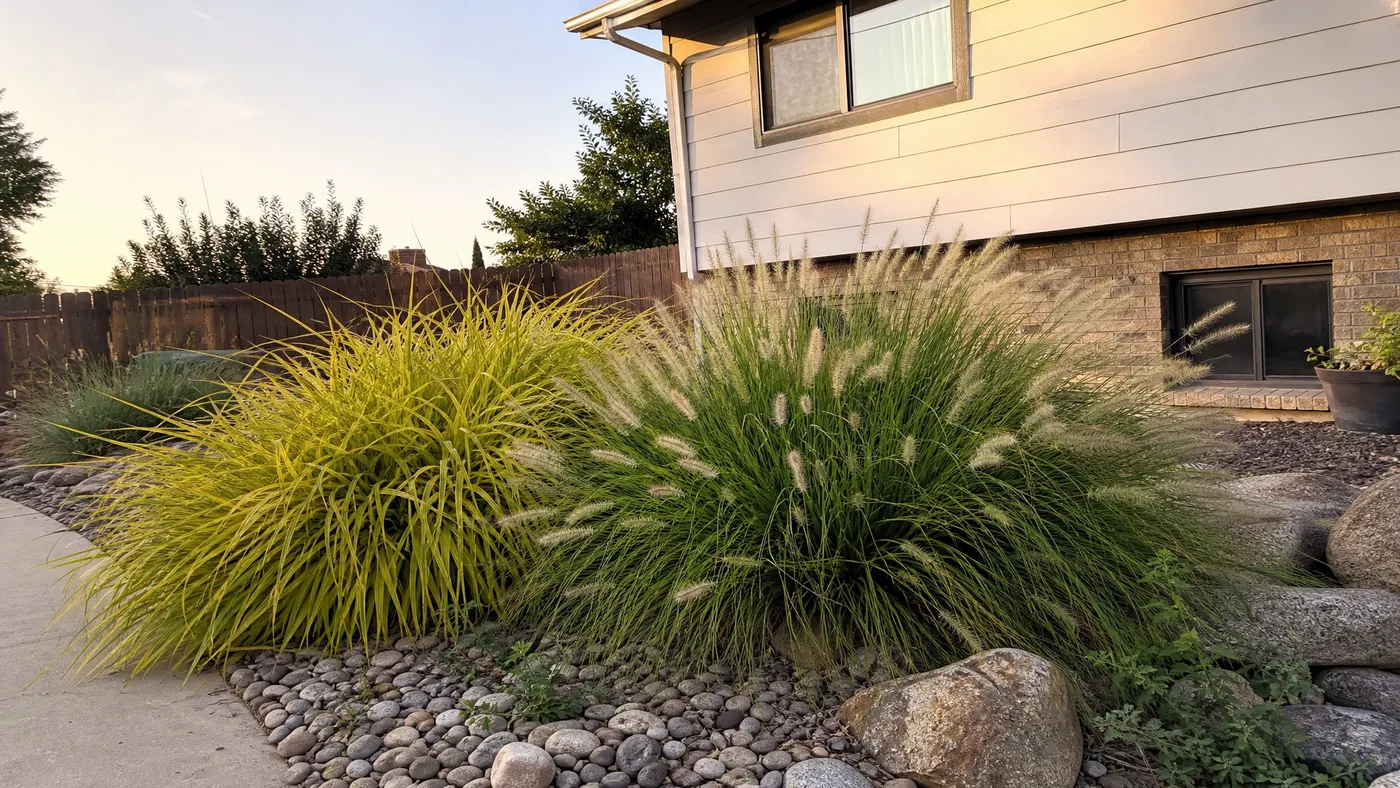
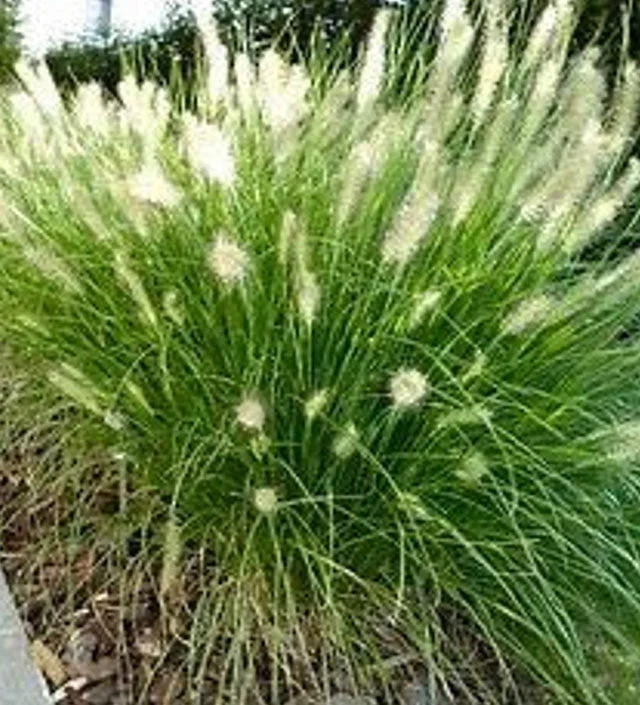
At planting. The difference is obvious from across the yard. Standard Hameln has medium green leaves 18 to 24 inches long and half an inch wide, a calm color that sits back and lets the rest of the bed lead. Hameln Gold is bright yellow-gold to pale green, and a clump like that pulls the eye first. While young plants sit among bare mulch, that difference is the whole show.
By midsummer. The picture shifts once both plants send up bottlebrush spikes. Hameln carries purple-tinged spikelets in late summer, and it blooms about two weeks earlier than other fountain grasses. Gold's flowers are green flecked with purple, darkening with age. Against green leaves those spikes blend in. Against gold leaves they stand out, which is the real payoff of the gold plant if you want the flower detail to show.
Into fall. The gap narrows. Standard Hameln turns yellow in fall and tan in winter, so the green plant borrows some gold on its own schedule. If you judge a bed mostly in October, you are paying extra for color you partly get free. If you judge it in July, the gap is wide. Ask which month you look at this bed most.
What we can't tell you. Because Gold's color runs from yellow-gold to pale green, expect the color to vary with your light and your season. We have no source for how Gold looks in winter, so treat the green plant's tan as the known quantity when you plan a bed for February.
Hameln Fountain Grass and Gold Share One Size
A common assumption is that the pricier, rarer plant should also be bigger or tougher. It isn't. Hameln grows 2 to 3 feet tall and 2 to 3 feet wide, and Hameln Gold falls in the same band. Same band, same compact clump, so you can plan both on one spacing and one number of plants per run of border.
Both are the compact end of the species, which grows in clumps 2 to 4 feet tall and wide. If you have seen a taller fountain grass and wondered what it was, that was the species, not either of these. Our guide on how big Hameln really gets covers the details. Here is the side-by-side on the points buyers ask about most.
| Trait | Hameln | Hameln Gold |
|---|---|---|
| Leaf color | Medium green | Bright yellow-gold to pale green |
| Height | 2–3 feet | About 1.5–3 feet |
| Flowers | Purple-tinged spikelets, late summer | Green flecked with purple, darker with age |
| Site | Full sun, tolerates part shade | Full sun, well-drained soil |
Hardiness. It follows the same logic. UF/IFAS lists Hameln for USDA zones 5 through 8. We plan gold on that same range. If you garden at the cold edge, check with your local extension service first.
Pace. The species' growth rate is medium, and we have seen nothing to suggest Gold behaves differently. Neither plant will fill a gap in a single season, so budget your patience the same way for both. Size is not what decides this.
Chartreuse Glow Against Hameln Fountain Grass Green
The plain green blade is a neutral. Next to purple, bronze, blue-gray or hot-colored flowers it stays out of the way and gives the bed a quiet, even texture. The gold blade is an accent, and it behaves like a lamp. Place it where you want the eye to land, and nowhere else.
Background. It decides how well that works. Gold reads strongest against something dark, such as an evergreen hedge, a dark fence or a shaded wall, and it fades into a pale wall or light gravel. Green does the opposite: it shows well against pale surfaces and sinks into a dark hedge. Most beds have a dark backdrop somewhere, and that is where gold earns its place.
Neighbors. Gold beside yellow-flowered plants competes with them and muddies both. Gold beside burgundy or purple foliage looks deliberate. Our list of companion plants for Hameln works for either color, but you should pick from it differently: green needs a partner that adds interest, gold needs one that calms it down.
Light. Low morning or evening sun lights a gold clump from behind and it seems to glow, while green mostly absorbs the same light. In part shade gold will brighten a dim corner more than green can, but that is also the site where we would not gamble on it, as the next section explains.
Green supports the cast. Gold plays a part.
Where Gold Scorches and Green Shrugs It Off
One of the most common questions we get is whether gold will burn in a south-facing bed. We can't promise it won't. The sources we rely on list Hameln Gold for full sun and say nothing about scorch, so treat what follows as caution, not a rule. What we tell customers is that lighter foliage generally shows stress sooner than green does.
Hot, Reflected Sun
Beds beside a driveway, a south wall or a gravel path throw back heat. Standard Hameln is the safer plant there, since it suits full sun and has no pests or diseases of major concern. If you want gold in a hot spot, plant one clump for a season before you commit a row.
Part Shade and Wet Soil
Hameln will grow best in full sun but tolerate part shade, and it accepts acidic and alkaline soils. The gold plant wants light, moderately fertile, well-drained soil in full sun. So a heavy or damp bed, or a shadier one, points to green. Our guide on sun requirements for Hameln shows how much shade is too much.
Testing One Clump Before a Row
If the spot is doubtful and you still want gold, a trial costs one plant instead of ten. Run it like this.
- Plant a single gold clump in the doubtful spot, and a green clump a few feet away as your control.
- Water both the same way through the first season, so any difference comes from the plant and the site.
- Check the leaves during the hottest weeks of summer, in the afternoon, and note any browning or fading on the gold that the green lacks.
- Let the clumps get through a winter before you decide. A plant that looks good in its second summer is the one worth repeating.
That one extra season is cheap insurance against replanting a whole drift.
Budgeting Years of Hameln Fountain Grass or Gold
Run the numbers the way you would for any border: cost per plant divided by years in the ground. Both plants are long-lived perennial clumps, and Hameln has been around since the 1970s. That track record is the case for green, since a decade of use is well documented for it.
Upfront Cost
We expect gold to cost more per pot, so compare current listings rather than trusting any figure in an article. A premium spread over ten years is small per season, which is why price alone should not stop you from buying gold where it suits the site. It should stop you from buying gold everywhere.
Running Costs
Running costs are close to nothing for either color. Unlike the species, this cultivar does not re-seed itself, so there are no volunteers to pull. The yearly job is a cut-back, a short task with shears, covered in our guide on when and how to cut back Hameln.
Replacement and Division
The real budget question is replacement. A failed green plant is a small loss. A failed gold plant in a marginal spot is a larger one, and it repeats every time you replant the same place. Dividing an established clump gives you more plants that carry the parent's color, so one gold that does well can supply the rest of a drift over time. A bigger starting pot costs more and shortens the wait, and our guide to container sizes helps you judge that trade.
Pay the gold premium once, in the right spot, not twice.
Mixing Hameln Fountain Grass and Gold in a Border
A single-color planting is the easy plan, and each color goes wrong in its own way. A mixed planting is the better idea only if it is deliberate. Here is how each approach fails and what a working mix looks like.
Where One Color Goes Wrong
An all-green run goes flat when everything around it is green too, and the border has no focal points. An all-gold run goes wrong when the site is marginal, because one weakness then shows up in every plant, and the cost is multiplied across the whole drift. A long gold edge also tires the eye, since there is nothing quiet to rest on.
Where a Mix Goes Wrong
A mix fails in two ways. One is gold scattered one clump at a time like polka dots, which reads as a mistake. The other is an even half-and-half split where the two colors argue and neither leads. Both come from having no plan for where the eye should travel.
A Mix That Works
It works when green forms the main run and gold repeats in a few groups, so the eye connects them down the border. In our rows, the two sit side by side and the shapes are identical, so only the color changes. That is a real advantage over mixing different cultivars, where outlines and sizes clash. Place the gold groups against your darkest backdrops, keep them in the sunniest, best-drained ground, and let the green carry the weaker spots.
Start with the green run, let it establish, and add gold in the groups the bed actually needs.
Settling on Hameln Fountain Grass or Gold
Our pick for most beds is green. It matches gold on size and shape, handles the widest range of sites, and costs less if a clump has to be replaced. Gold is the right choice only when the bed gives you a reason, and the points below cover most of them.
- Choose green if the bed gets hot reflected sun, part shade or heavy soil, or if your budget is tight and you want the most dependable clump per dollar.
- Choose gold if you have a dark backdrop, a full-sun spot with well-drained soil, and a gap in the border that needs light.
- Choose both if the border is long and you can place gold in repeated groups once the green plants are settled.
- Skip gold if size is the only reason you are considering it, because it offers none.
If you are still undecided, buy the green plants for the whole border and one gold as a trial. A single clump answers the question for the price of a pot, and you lose nothing if the answer is no.
Start Green, Add Gold Where It Earns It
The two plants share a size, a shape and a site, and differ in leaf color. The rule we give budget-minded gardeners is to start with the green plant and add gold only where the bed needs the brightness and the site can carry it. Test one clump before a row, and let the first season tell you whether the spot suits it.
Hameln Fountain Grass
Nursery-grown Hameln Fountain Grass in sizes from Quart Plant, shipped to your door.
From $49.49
Shop Now →Hameln sits in full sun on our farms, planted in light soil that sheds water fast, which is how we get the tidy clumps you see in both the green and gold forms. Each plant we send out was raised in our own rows, nothing bought in and resold. If this guide has helped you settle on a color for your bed, come see what we have growing.