Best Companion Plants for Hameln Fountain Grass Garden Beds
A flat of mixed pots sits on the lawn, lined up in the order they will go into the ground: a Hameln clump at one end, coneflowers beside it, a row of sedum, then a paper bag of bulbs. That lineup is the whole job in miniature. Get the order and the neighbors right and the bed looks finished by the first summer. Get them wrong and something tall shades the grass, or a greedy spreader crowds it by year three.
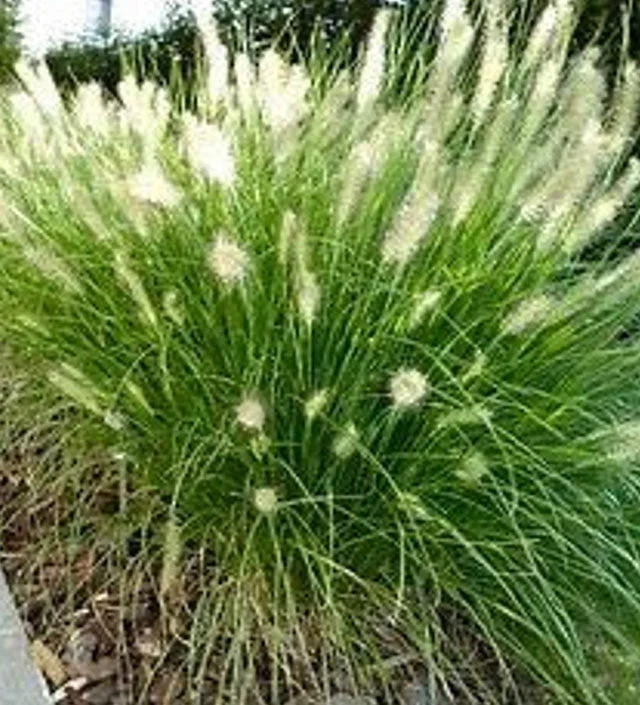
Hameln is a compact, silver-plumed grass that asks little and gives a lot to plants that match its habits. Read on for the conditions every companion must meet, the best partners by bloom season and leaf color, working distances around the clump, and a buy-and-plant sequence you can follow pot by pot.
What Hameln Fountain Grass Asks of Its Neighbors
Every companion has to live by Hameln's rules, not the other way around. The grass forms a clump 2–3 feet tall and wide, with leaves of 18 to 24 inches arching out from the crown. Four conditions decide who makes the cut:
- Full sun. Hameln grows best in full sun and tolerates part shade, but shade may mean fewer plumes. A partner that sulks in strong afternoon sun does not belong here.
- Light, well-drained soil. The grass copes with occasional dry or wet spells, so skip anything that needs a steady drink or rich, damp ground.
- Matching hardiness. Hameln grows in USDA zones 5 through 8, so choose partners that survive the same winters.
- Room at the crown. The clump is dense. Anything that sprawls over the crown or layers shade onto it will thin the plumes.
One of the most common questions we get is what to plant beside it. Our answer starts with scale. Plenty of advice pairs fountain grass with tall, thirsty plants, but that suits the larger species at 2 to 4 feet. Hameln is the more compact version, so its partners should be sized to a clump of 2–3 feet.
Plants to Skip
Shade lovers such as hostas want the opposite of what this grass wants, and so do moisture lovers that need a weekly soak. Both end up either stressed or drowning their neighbor. Fast spreaders are the other problem. Anything that runs by roots will wander into the crown within a few seasons and is hard to pull out of a dense clump.
Deer resistance is a bonus on the grass side, since NC State calls it highly resistant to deer grazing. That protection does not extend to its neighbors. Check what browses in your area before you build a bed around a favorite perennial.
For finished layouts built from these pairings, see our landscape ideas for Hameln.
Purple Coneflower and Other Summer Bloomers
Hameln flowers about two weeks earlier than other fountain grasses, so its silvery to pinkish-white plumes are forming just as the summer daisies open. That overlap is the point. Choose upright perennials with a flat, round flower face and the grass's fine bottlebrush spikes read as a deliberate contrast.
Purple Coneflower
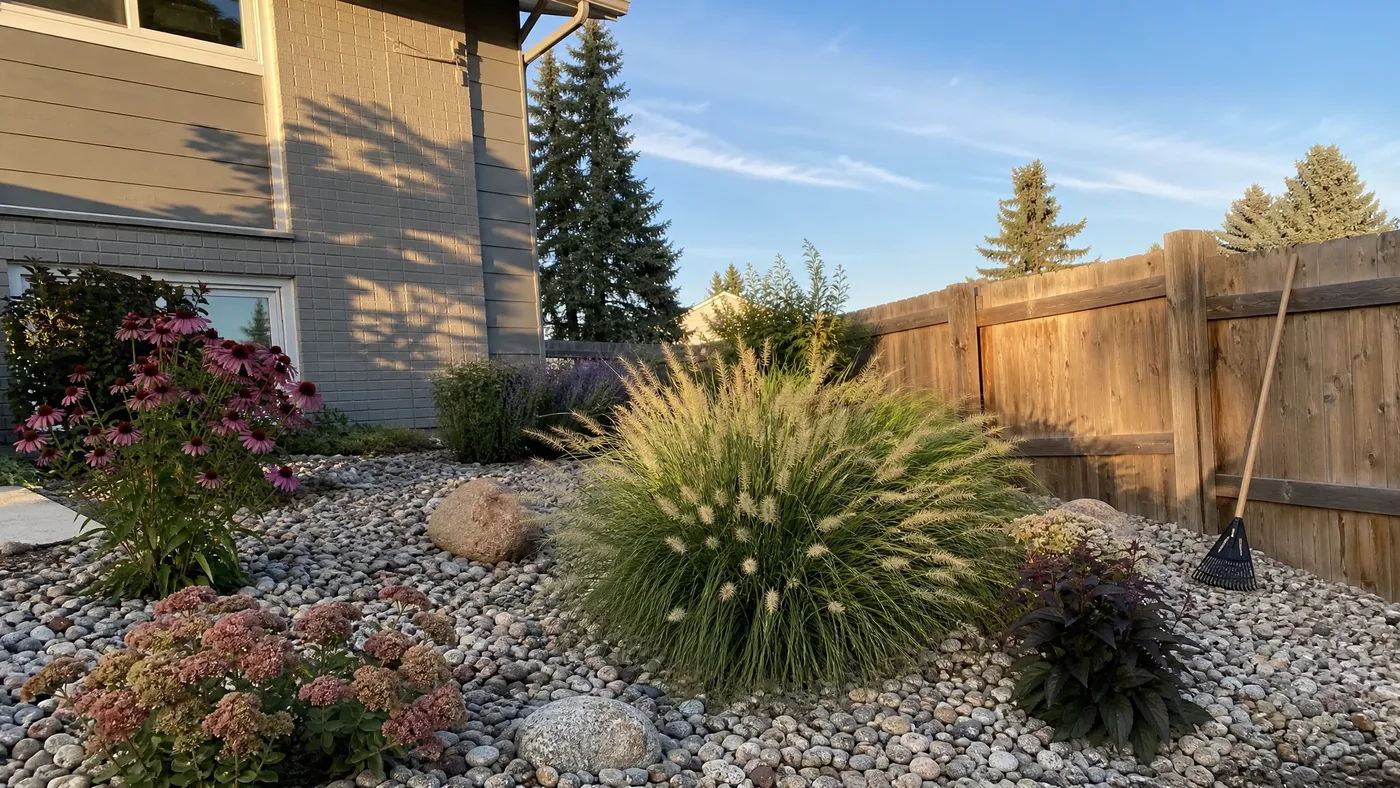
Coneflower is our first pick. Its stiff stems stand straight up through the arching grass, and the rosy-purple petals pick up the pink tint in the plumes. It is happy in full sun and lean soil, the same terms Hameln wants.
Plant it behind or beside the clump, never in front of it. Look for forms that top out near the height of the grass or a little above, and check the plant tag before you buy. A coneflower that towers over a 2–3 foot clump turns the grass into a skirt.
Black-Eyed Susan and Tickseed
Yellow daisies add a second color to the bed. Black-eyed Susan and tickseed both take sun and modest soil, and their gold echoes the russet the grass turns later in the year. Use them in small groups of odd numbers so they look like drifts rather than polka dots.
Keep the palette short. Two summer bloomers plus the grass is a calm bed. Five bloomers is a crowd, and the plumes get lost.
Timing the Show
Because Hameln starts early, the best partners are the ones that open in the same weeks, not the ones that peak after the plumes have already aged. Then let the seed heads stand. Coneflower cones and the tan, fading plumes make a quiet, textured picture into fall, and cutting everything down early throws that away.
Sedums and Yarrow for Hameln Fountain Grass Soil
Hameln does best in a light, moderately fertile, well-drained soil. Sedums and yarrow thrive in exactly that, which makes them the easiest fillers in the bed. Neither one wants coddling, and both stay tidy when the soil is a little lean. Our guide to soil and drainage for Hameln covers fixing a heavy site first.
How to Use Each
Upright sedum. Fleshy leaves store water, so it shrugs off dry spells. Flat flower heads open pale and deepen toward rose or copper into fall, just as the grass turns gold. Put it at the front corner of the clump where the heads can be seen.
Low sedum. Mat-forming types belong along the bed edge or in gaps between larger plants. They fill bare soil without climbing into the grass.
Yarrow. Ferny leaves and flat heads in yellow, white or pink give a texture the grass lacks. Yarrow flops in rich soil, so resist the urge to enrich the bed.
Watering a Dry Bed
Common advice says to top-dress every perennial bed with compost each spring. For this pairing, skip it. Hameln, sedum and yarrow all hold their shape better when they are not pushed. Water new plants in well through their first season, then back off. Our guide to Hameln's heat and water needs shows how little an established clump asks for.
Dark Foliage That Sets Off Silver Plumes
Hameln's leaves are a plain medium green, and the plumes are pale. Purple and bronze leaves behind or beside them make the silver look brighter. The same trick works later: in fall the foliage turns a golden russet color, and gold against deep purple is one of the strongest pairings you can make in a sunny bed.
Dark-leaved sedums are the safest choice, since they handle the same dry sun. Coral bells with purple or bronze leaves also work, but choose sun-tolerant forms and give them the bed's shadier edge. Of everything on this list, they are the plant most likely to ask for extra water.
If you have room at the back, a purple-leaved shrub such as ninebark makes a dark wall behind the plumes. Keep it far enough away that its branches never shade the grass, and prune it so it stays a backdrop instead of a roof.
Placement matters more than quantity. Put the dark plant directly behind the plumes from where you will usually stand, such as a window or the front walk, and the contrast does its work. Scatter the same plant evenly through the bed and the effect dissolves into spots.
In our rows, the plumes against a dark backdrop are the picture customers stop and photograph. Winter keeps the effect going, because the foliage fades to tan and the dark plants stay strong beside it.
Bulbs and Low Fillers at the Base
Early in the year, a Hameln clump is just a mound of tan stubble. You cut it to the ground in late winter, as our guide to cutting back Hameln explains, and that leaves bare soil exactly when spring bulbs want to show off. Plant them around the clump in fall.
Bulbs That Fill the Gap
Crocus, daffodils and alliums all work, and each finishes before the grass has done much. Follow the depth on the package. As Hameln leafs out, its new blades hide the fading bulb foliage, which solves the usual untidy-bulb problem for you.
Plant bulbs in loose groups at the edge of the clump rather than tight against the crown. Digging into the center in fall risks the roots you are trying to protect. Mark the spots with a few sticks so you do not slice into them when you cut the grass back.
Low Fillers at the Edge
Creeping thyme and low sedum cover the soil between clumps and along the bed's front edge. They shade the soil and keep weeds down without climbing over the crown.
One advantage is that, unlike the species, this cultivar does not re-seed itself, so you will not find grass seedlings hiding in the ground cover.
Spacing Neighbors Around Hameln Fountain Grass
Crowding is the most common way these beds fail. Hameln wants air and sun around its crown, and a mature clump spreads to 2–3 feet. A simple working rule: measure from center to center, and allow half the grass's width plus half the neighbor's mature width, as shown on its tag. Our spacing guide for borders and mass plantings covers the grass itself.
The table below applies that rule by companion type.
| Companion type | Where it goes | How to set the distance |
|---|---|---|
| Coneflower, black-eyed Susan | Behind or beside | Half of the grass's width plus half the plant's tag width |
| Upright sedum, yarrow | Beside, in the sun | Same rule, with a little extra for airflow |
| Dark-leaved shrubs | Back of the bed | Same rule, measured from the trunk, so branches never shade the grass |
| Bulbs | Clump edge | Leave the crown itself undisturbed |
| Low fillers | Bed edge | Let them reach the clump edge but stop short of the crown |
Use the mature width on the tag, not the width of the pot in your hand. Nursery pots are small, and a bed planted to pot size looks sparse for a season and then jammed.
When in doubt, give a plant more room. A gap looks fine for a season and fills quickly with a low filler, but a crowded clump stays crowded.
A Planting Order for Hameln Fountain Grass Beds
Buy and plant in layers, biggest first. That keeps you from trampling small plants while you place large ones, and it lets you adjust spacing as you go. Our guide to planting Hameln for a strong start covers the digging itself.
- Any shrub. A dark-leaved shrub sets the back line and the scale of everything else.
- The Hameln clumps. Set them next, because the grass decides where every other pot goes.
- Upright bloomers. Coneflower and black-eyed Susan go in beside and behind the grass.
- Sedum and yarrow. Fill the sunny corners and gaps between the taller plants.
- Dark-leaved perennials. Place them where the plumes will be seen against them.
- Low fillers. Plant creeping types along the front edge last.
- Bulbs. Wait until fall, then tuck them in around the clump edges.
Set out all the pots before you dig anything. Step back, move them around, and only then start planting. It saves a lot of lifting later.
Buying in the same order helps too. Pick up the shrub and the grass first, so you can judge the real scale of the bed before you commit to the smaller plants. Fillers and bulbs are cheap to add last, and leaving them for the end means you fit them to the gaps you actually have.
Building Around Hameln Fountain Grass
Choose companions that share the grass's habits: full sun, light and well-drained soil, and a scale that suits a 2–3 foot clump. Coneflower and its daisy cousins bloom with the plumes, sedum and yarrow handle the dry soil, dark leaves make the silver glow, and bulbs and low fillers cover the base. Then give each plant room, and leave the bed alone.
In short, the order is simple: the shrub and the grass go in the ground first, the perennials second, and the bulbs and edge fillers last.
Hameln Fountain Grass
Nursery-grown Hameln Fountain Grass in sizes from Quart Plant, shipped to your door.
From $49.49
Shop Now →Our Hameln grows on our own farms in full sun, in light soil that drains well, so every clump we raise already likes the conditions this bed will give it. We grow and sell top-quality grasses and other plants from those farms, and if your coneflower, sedum and yarrow plan needs its anchor grass, pick your first Hameln from ours.