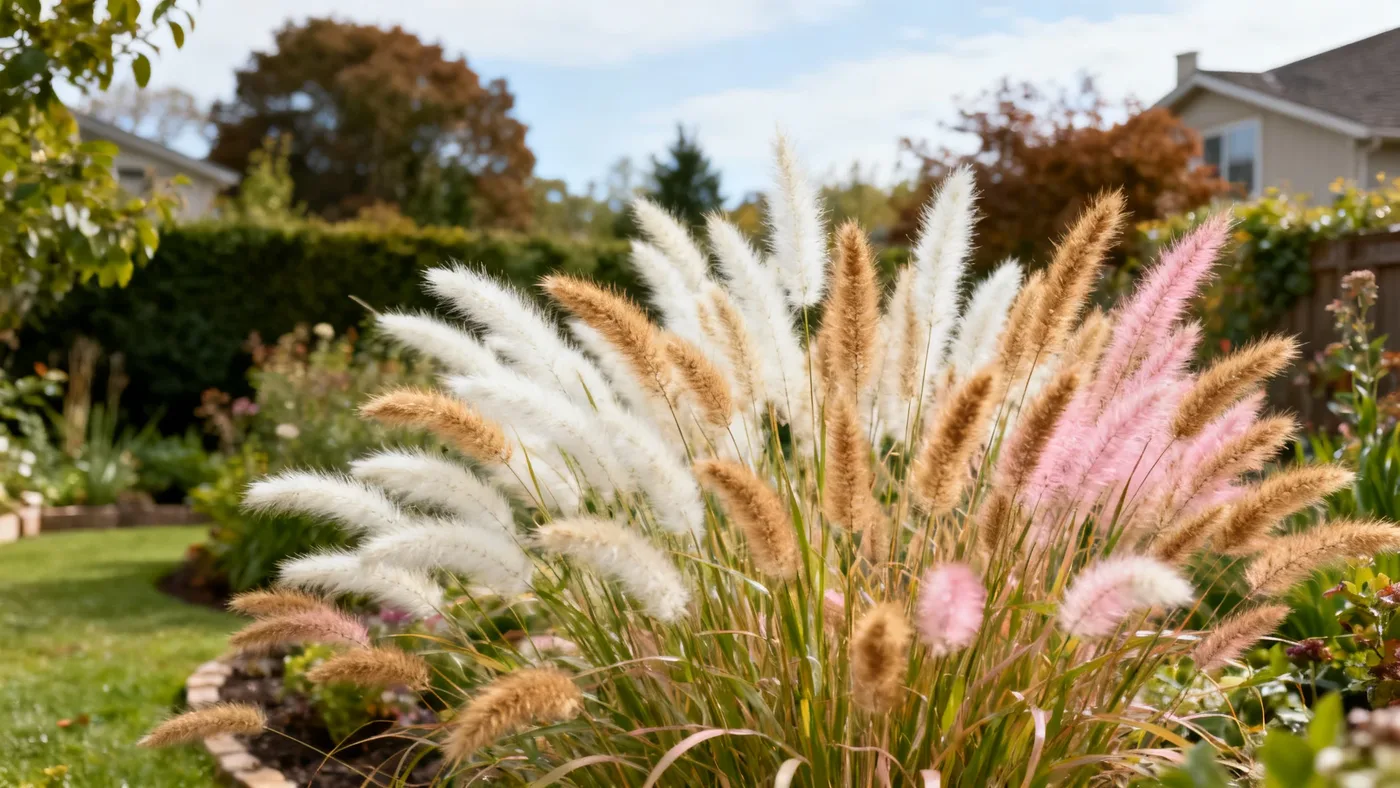
Hameln Fountain Grass Bloom Time: What to Expect and When
If you've planted Hameln fountain grass or are thinking about it, one of the first questions is about flowers. Unlike many perennials where blooms are an afterthought, the plumes of Hameln fountain grass are genuinely the main event. We see gardeners pause mid-step to admire those graceful flower spikes every year. Understanding when your grass will bloom and what to expect during that window helps you plan your garden and catch those plumes at their best.
When Does Hameln Fountain Grass Bloom?
Hameln fountain grass bloom time spans mid to late summer through fall, typically from July to October. The exact timing shifts based on your region and USDA hardiness zone. In warmer zones 8 and 9, plumes often appear by late June and persist well into November. In cooler zones 5 through 7, expect them to emerge in July or August. This extended bloom window is one of the best parts of growing this grass. You get several months of ornamental appeal instead of a brief show.
What's especially valuable: even plants installed in spring from a quart-size nursery container will bloom in their first year. You don't wait multiple seasons to see those characteristic plumes. A mature clump takes 2 to 3 growing seasons to reach its full size and density, but blooms arrive right away.
What Hameln Fountain Grass Plumes Look Like
The plumes are the standout feature. They emerge on stems that rise 24 to 30 inches tall, well above the foliage mound which itself reaches 18 to 24 inches. The plumes themselves are bottlebrush-like, starting as creamy white to light pink or tan depending on your light and local conditions. As the season progresses and temperatures cool into fall, these plumes age into deeper buff and tan tones, which many gardeners find even more striking than the initial white.
The exact shade can vary by region and light exposure. In full sun, plumes tend toward a consistent tan. Partial shade can shift the tone slightly. By mid-fall, the entire plant, foliage and plumes alike, takes on golden tan and russet colors that provide visual interest all the way through to spring when you cut the plant back.
This color progression is not a decline, it's part of the plant's designed seasonal cycle. The aging plumes are just as ornamental as fresh ones, and many landscapers consider the dried, buff stage peak garden interest.
How Long Do Fountain Grass Plumes Last?
This is where Hameln fountain grass earns its place in a garden layout. The plumes persist from July or August through October and often into November before hard frost. That's a 3 to 4 month window of visual appeal in the same space. The dried plumes hold their shape remarkably well through winter, creating beautiful texture even after the growing season ends.
Leaving the plumes standing through fall and winter gives you double duty: ornamental value now and wildlife habitat later. The seed heads attract birds in late fall and winter, adding movement and life to a dormant garden. When you eventually cut the plant back to 3 to 4 inches above ground in late winter or early spring (never in fall), you're simply making room for next year's show to begin.
Seasonal Progression Through Bloom Time
Understanding how the plant changes over the bloom period helps you anticipate and appreciate the full arc of color and form.
Mid to late summer (July-August): First plumes emerge, typically creamy white to light pink. The plant is at peak energy, actively extending stems and producing new flower heads. Foliage is still deep green. This is when the plant looks freshest and most delicate, perfect for close viewing and photography.
Late summer to early fall (August-September): All plumes are fully developed and visible. Color shifts toward tan and buff tones. The dense plume coverage creates an almost cloud-like effect above the foliage. This is prime photo season and peak garden impact. From a distance, the effect is almost ethereal.
Mid to late fall (October-November): Plumes deepen to buff and tan. The entire clump, foliage and plumes, develops warm golden and russet tones. This is when the dried look becomes genuinely beautiful, not a sign of decline. The seed heads become increasingly attractive to birds and wildlife.
Making the Most of Bloom Time
Your Hameln fountain grass will bloom reliably, but a few practices support the best show. Full sun to light shade produces the most abundant and compact growth, with the fullest plume display in full sun. Plumes in shade tend to be fewer and may flop slightly as the plant stretches for light.
Avoid over-fertilizing. This is a light feeder that prefers modest nutrition. Rich soil or excess fertilizer causes the clumps to become loose and floppy, even in full sun. A single balanced fertilizer application in spring is plenty. Once established, the plant's good drought tolerance means you don't need constant water through summer either, although regular moisture until establishment keeps first-year plants vigorous and ensures strong initial blooms.
Spacing matters for long-term success. Plant Hameln fountain grass 18 to 24 inches apart if you're mass-planting or creating a drift. This spacing allows air to move through the clumps during bloom time and keeps them compact and upright. Crowded plants are more likely to split or flop as the plumes add weight and wind resistance.
Why Bloom Time Matters Right Now
Late September and October are peak planning seasons for gardeners in most zones. The spring rush is past, summer energy is winding down, and people are thinking about changes for next year. If you've walked past Hameln fountain grass at a garden center or in someone's landscape and been stopped by those plumes, now is the ideal moment to plant. A spring installation means first-year blooms by midsummer and a mature clump by 2028.
Even a fall planting in milder climates (zones 8 and 9) can establish enough to bloom the following year. For zones 5 through 7, spring planting after the last frost is the safer bet. The plant is hardy to zone 5, but winter establishment is slower in northern climates. Spring gives the root system a full growing season to anchor before cold weather returns.
Pairing Hameln Fountain Grass with Other Plants
Bloom time is when you see how well Hameln fountain grass performs in mixed borders. The vertical plumes and airy texture complement late-summer perennials like Rudbeckia (black-eyed Susan), Echinacea (coneflower), and Aster. Russian sage (Perovskia) and Sedum planted nearby create sophisticated color echoes as the tan plumes deepen into fall.
The height and airiness also mean this grass doesn't shade out nearby plants. You can create dense drifts or mix it into perennial beds without worrying about shade issues.
Connecting Bloom Time to Year-Round Care
Bloom time is just one part of the Hameln fountain grass cycle. For complete growing guidelines and year-round care tips, including pruning, fertilizing, and pest management, check our full care guide.
Quick Reference: Hameln Fountain Grass Bloom Timeline
| Region/Timing | Plume Color | Plant Height (including plumes) | Expected Duration |
|---|---|---|---|
| Zones 8-9: Late June onward | Creamy white to light pink | 24-30 inches | 3-4+ months |
| Zones 5-7: July-August onward | Creamy white to light pink | 24-30 inches | 3-4 months |
| Peak bloom (August-September) | Tan transitioning to buff | 24-30 inches | 4-8 weeks |
| Fall finish (October-November) | Buff to deep tan, foliage golden-russet | 24-30 inches | Until frost or winter cut |
Planting and Bloom Checklist
- Spring planting after last frost: First-year bloom by mid to late summer
- Fall planting (zones 8-9 only): Possible first-year bloom, more likely strong second-year display
- Mature clump size: Reaches full size in 2 to 3 growing seasons
- Spacing: Plant 18 to 24 inches apart for mass plantings or drifts
- Sun requirement for best bloom: Full sun to light shade; full sun produces most abundant plumes
- Fertilizing during bloom: Light feeder; single spring application of balanced fertilizer sufficient; avoid excess nitrogen
- Hardiness: Zones 5-9; bloom timing shifts cooler in northern zones
- Winter plume persistence: Dried plumes hold through winter; cut back to 3-4 inches in late winter or early spring