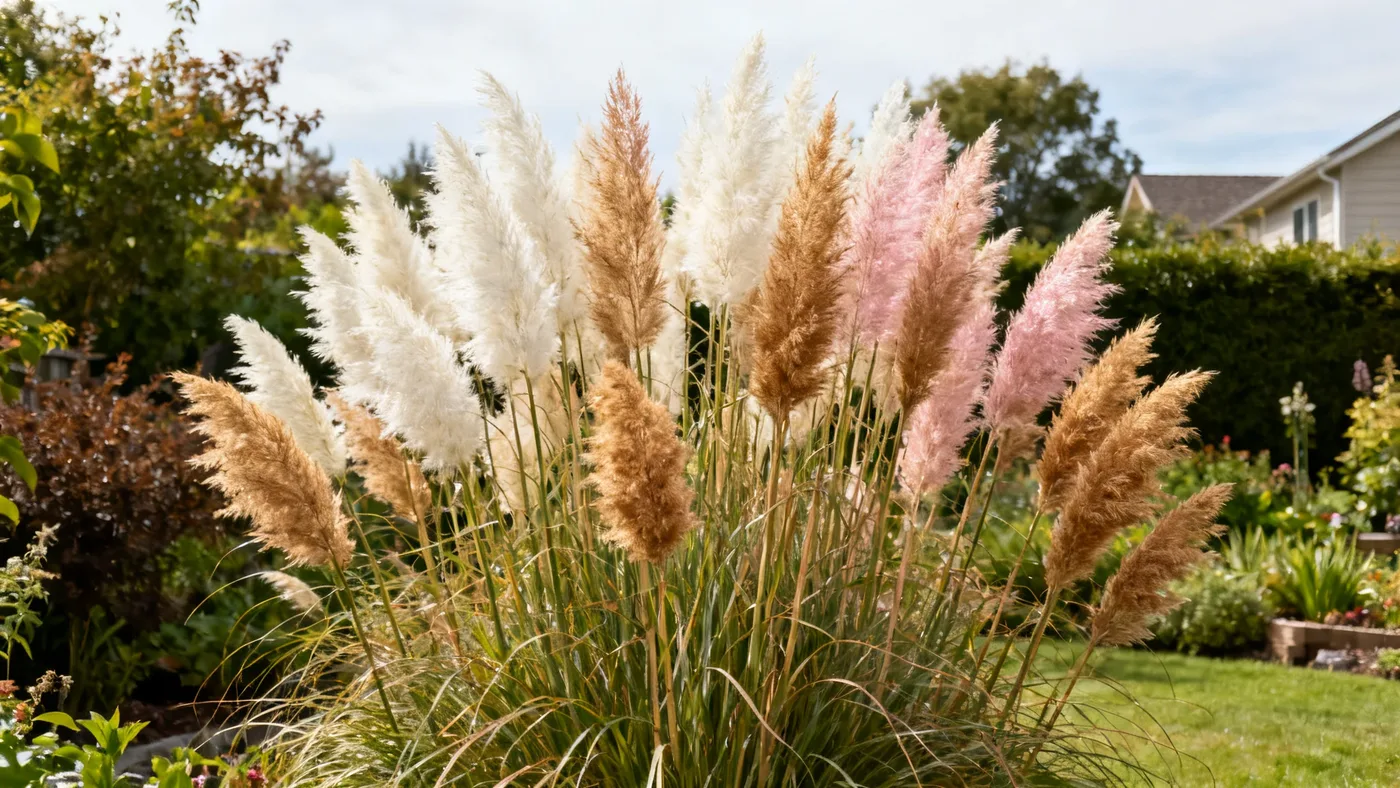
Hameln Fountain Grass Fall Color: Why the Foliage Turns Golden
If you planted Hameln Fountain Grass this spring, or you're seeing established clumps for the first time as temperatures drop, fall is when this ornamental grass truly shines. The fine-textured, arching blades shift from medium green into golden tan and copper tones, creating a warm contrast against your garden's autumn backdrop. Right now, in late September and early October, is when that transformation picks up speed across zones 5 through 9.
This seasonal shift is more than decorative. The color change signals that your grass is preparing for dormancy and that the plant is responding naturally to shorter days and cooler nights. Understanding what's happening, and how to support it, helps you get the most visual impact from your Hameln through winter.
Why Hameln Fountain Grass Turns Golden
The golden-tan and copper hues you see in fall aren't a sign of stress. They're a natural life cycle event, driven by the same plant physiology that triggers fall color in trees. As temperatures dip and daylight shortens, the plant redirects resources from the leaf blades back into the root system for winter survival. Chlorophyll, the pigment that makes leaves green, breaks down. What's left behind are carotenoid and anthocyanin pigments that show as gold, rust, and amber tones.
For Hameln Fountain Grass specifically, this means the entire clump transforms. The foliage mound, normally 18 to 24 inches tall, becomes a warm golden mass. The creamy-white to tan bloom plumes that emerged in mid to late summer age to a buff or tan color, complementing the foliage shift beautifully. In many gardens, this combination lasts through November and into December.
Sun exposure plays a role in how vivid that color becomes. Hameln performs best with full sun to light shade, and plants grown in full sun develop more compact growth and better bloom production. The same is true for fall color intensity. A clump receiving six or more hours of direct sun daily will show richer golden and copper tones than one tucked into partial shade. If you're choosing a planting spot or wondering why a neighbor's Hameln looks more dramatic in fall, light is often the answer.
Timeline of Fall Color Change
The shift from green to gold isn't instant. It's a gradual progression that typically spans six to eight weeks, depending on your region and the year's temperature pattern.
In mid to late August, as bloom plumes emerge and harden, the foliage still reads as green. By mid-September, subtle yellowing appears at the base of the clump and along older leaf blades. By late September and early October, golden tones dominate the middle and outer portions of the mound. The very center of the clump may stay greenish longer. By early November, most plants in zones 5 to 7 have transitioned to a russet or copper tone overall, and the plumes have faded to pale buff or tan.
If your area experiences an early hard freeze (below 28 degrees Fahrenheit), that transition accelerates. A sudden cold snap can shift the foliage to full copper or bronze within a few days. Mild autumns, where nighttime temperatures stay above 50 degrees Fahrenheit well into October, stretch the golden phase longer.
Maximizing Fall Foliage Impact
Since fall color depends partly on light and growing conditions, a few practical steps help ensure a vibrant display.
Plant in full sun. If you're establishing a new Hameln clump this fall, choose a spot with at least six hours of direct sun daily. Plants in these conditions reach their mature width of 18 to 24 inches more reliably and color more intensely than shade-grown plants.
Don't overwater in late summer. Once established, Hameln Fountain Grass has moderate drought tolerance. Resist the urge to keep the soil consistently moist as fall approaches. A moderate watering schedule, allowing the soil to dry somewhat between waterings, doesn't stress the plant and doesn't suppress the natural color transition. Overwatering, particularly in cool weather, can extend the green phase and soften the golden tones.
Avoid fertilizing now. A single balanced fertilizer application in spring is all this light feeder needs. Fertilizing in late summer or early fall stimulates new green growth and delays fall color development. If you fed your Hameln in May or June, you're done for the year.
Plan spacing ahead of time. If you're planting multiple Hameln clumps for a mass planting or drift, space them 18 to 24 inches apart. Proper spacing ensures each plant gets full light exposure and air circulation, supporting robust fall color. Crowded plants show delayed or muted color changes.
Pairing Hameln Fall Color with Companions
Hameln Fountain Grass is highly deer and rabbit resistant, which makes it a reliable choice for mixed perennial beds. In fall, its golden-tan foliage provides a warm backdrop for late-season bloomers that benefit from that contrast.
Black-eyed Susan (Rudbeckia) keeps its yellow petals and dark centers into November in most zones. The rich yellows in Hameln's fall foliage echo the bloom color, creating a harmonious pairing. Similarly, coneflowers (Echinacea) and asters extend their bloom into autumn. Sedum 'Autumn Joy' shifts into russet and bronze tones that mirror the copper hues developing in your Hameln clump. Russian sage (Perovskia) offers silvery-green foliage that contrasts nicely with Hameln's warm tones.
If you're redesigning beds or considering a refresh, group compatible plants with similar spacing and sun needs. A 2 to 3-year-old Hameln clump reaches full mature size, so plan sight lines with that width in mind.
Winter Interest and the Case for Not Cutting Back in Fall
Once the foliage turns copper and the plumes dry to a pale tan, many gardeners ask: should I cut it back now? The answer is no, and here's why.
The dried foliage and seed heads provide genuine winter interest. The arching tan blades catch frost and snow, creating texture and visual softness. The plumes, which age from creamy white to buff, backlight beautifully on sunny winter mornings. This architectural presence carries your garden through months when much else has faded or disappeared.
There's also a practical reason. Fall pruning can damage the plant. Cutting back while the plant is still responding to cold and preparing for dormancy stresses the crown. Late-fall or winter trimming can also expose tender new growth at the base to frost damage.
Instead, wait until late winter or early spring. Cut the entire clump back to 3 to 4 inches above ground just before new growth emerges, typically in late February or March depending on your zone. Use hedge shears or a string trimmer. Remove and compost the cut material, or leave it as mulch around the base if you prefer.
Don't rush this step. Even if you're eager to tidy the bed in November, the plant will reward patience. That standing straw-colored mass is protective and beautiful.
Seasonal Watering and Care Through Fall
As temperatures cool and rainfall increases in many regions, adjust your watering schedule. During fall, Hameln typically needs less supplemental water than in summer. If your area receives regular rain, skip watering altogether unless you see wilting. Established plants are drought tolerant, and the cooler air means less water loss through leaf transpiration.
If fall is exceptionally dry, water deeply once a week rather than frequent shallow waterings. Deep watering encourages the root system to stay robust as the plant enters dormancy.
Pests and diseases are generally not concerns. Hameln is hardy and vigorous. In overly wet or humid conditions, occasional fungal leaf spot can appear, but this is rare and doesn't typically warrant treatment, especially as the plant is preparing for dormancy anyway.
Planning for Next Year's Performance
If you planted a quart-size Hameln in spring of 2024 or 2025, it will bloom its first year and reach near-mature size (18 to 24 inches wide) by the end of the second growing season. Established clumps can live vigorously for 4 to 6 years or more before they benefit from division.
For more detailed guidance on year-round care, including spring planting, summer maintenance, and spring renewal pruning, visit the complete Hameln Fountain Grass care guide.
Quick Reference: Fall Care Checklist
| Task | Timing | Notes |
|---|---|---|
| Reduce fertilizing | July onward | One spring application is sufficient; no summer or fall feeding |
| Monitor watering | Late August through November | Water less frequently; rely on rain; water deeply if drought occurs |
| Observe color change | September and October | Green to golden-tan to copper; typically 6 to 8 weeks; full sun sites show richer tones |
| Enjoy winter interest | November through February | Leave foliage and plumes standing; they provide texture and visual structure |
| Do NOT cut back | Fall and winter | Pruning now damages the plant; wait until late winter or early spring |
| Cut back to 3-4 inches | Late February or early March | Just before new growth emerges; remove or compost the cut material |